Gulf Coast Real Estate and Community News

Thank you for joining me on this journey to explore the Gulf of Mexico beaches and communities! Whether you are a resident, planning a visit, or simply have a love for this beautiful area, I am here to share my knowledge and insights gained from over 30 years as a resident and Realtor.

Throughout our discussions, we will delve into a wide range of topics including events, restaurants, recipes, local issues, investment opportunities, resort and vacation ideas, and more. Whether you want to know about the best spots to dine in Gulf Shores, Orange Beach, Perdido Key, Pensacola, Pensacola Beach, and Navarre, or are interested in staying up to date with the latest news from our communities, this is the place to be.

Collage Gulf Coast

Living in this area has given me a deep appreciation for the Gulf coasts of Florida and Alabama, and I am excited to share that passion with all of you. Whether you are seeking information on the best places to visit, fun recommendations for activities, or insights into the real estate market, I am here to provide you with the knowledge and expertise you need.

Make sure to check back regularly to stay informed about the latest happenings and developments in our communities. I look forward to sharing this journey with you and providing you with valuable information about the Gulf of Mexico beaches and towns.

You can get reach me at pete@perdidopete.com or get details on the real estate market by going to my web site https://www.teamperdido.com

Or call me direct at +1 (850) 261-3938

May 28, 2026

Perdido Key or Pensacola Beach-Buyers Choice

Perdido Key vs. Pensacola Beach: Which Gulf Coast Market Is Right for You?

By Pete | Team Perdido — Your Gulf Coast Real Estate Experts


If you’ve been dreaming about owning a piece of the Florida Gulf Coast — whether as a vacation getaway, an investment property, or even a permanent move — you’ve almost certainly come across two names: Perdido Key and Pensacola Beach. Both offer stunning white sand beaches, emerald green water, and that unmistakable salt-in-the-air lifestyle. But they are genuinely different animals, and the right choice depends entirely on what you’re looking for.

I’ve been selling real estate on both stretches of coastline for years, and I can tell you — buyers who don’t understand the difference sometimes end up in the wrong place. So let me walk you through what these two markets actually look like from where I sit.


The Vibe: Quiet Retreat vs. Lively Scene

Perdido Key

Perdido Key is a barrier island gem that most of the country still hasn’t discovered — though word is getting out fast. It’s quiet. Family-oriented. The kind of place where you come to unwind, not to be entertained. If you’re expecting a buzzing strip of restaurants and bars, you won’t find it here. There is one casual dining spot on the Key itself, and a handful of stands. A several more restaurants sit just over the Theo Baars Bridge — which is on the Florida side of Perdido Key — giving you a few more options without going very far off the island. For real dining out, most residents and visitors head to Orange Beach, Alabama, a short drive away, where you’ll find everything from fine dining waterfront spots to casual seafood shacks. The Wharf at Orange Beach — with its restaurants, shops, Ferris wheel, and movie theater — is only 20–25 minutes away. On the east end of Perdido Key, downtown Pensacola has become a real draw too, with a walkable Palafox Street scene, galleries, restaurants, and even a Gallery Night where they close the street to cars.

The Flora-Bama, straddling the Alabama-Florida state line just minutes down Perdido Key on the Alabama line, is a landmark that draws visitors from all over. The famous roadhouse bar features live music nightly and a couple of casual dining spots in the complex — it’s a cultural institution on this stretch of coast and practically a rite of passage for anyone who spends time on Perdido Key.

There are no hotels on Perdido Key. If you’re visiting, you’re renting a condo or a house — and that shapes the crowd you’ll find there. It tends to be families, extended family groups, and the kind of people who want space and privacy over convenience. Texans have discovered Perdido Key in a big way — primarily Dallas and Houston buyers, for whom it’s just that little bit closer to drive than other Gulf Coast destinations. Louisiana has always had a strong presence too and there are is no shortage of the other 6 hours drive-in folks.. That word-of-mouth reputation is one reason I believe Perdido Key still offers meaningful value relative to comparable stretches of coastline.

Pensacola Beach

Pensacola Beach is a completely different energy. It’s livelier, more social, more visible. The action centers on Casino Beach — the open beach area right off the main bridge — surrounded by restaurants, bars, and several hotels. It draws heavy local weekend traffic from Pensacola proper, and spring break brings the college crowd in force. Pensacola Beach has always gotten more media attention and marketing reach, which means it pulls drive-in visitors from a wider radius — often within a six-hour drive window from the Southeast and beyond. The result is a more active, sometimes more crowded atmosphere that suits a different buyer profile: those who want amenities close at hand and a social scene built around the beach.

Pensacola Beach also has fairly close access to downtown Pensacola, although the two bridges required can be a deterrent — any traffic incident can turn the commute into a real headache. The new expanded three-mile bridge from downtown to Gulf Breeze has helped considerably.


Who’s Buying and Why

Second Home and Lifestyle Buyers

Families tend to gravitate toward Perdido Key. The quieter pace, the easier beach access (including free county beaches, state park beaches, and Johnson Beach at the  National Seashore), and the lack of hotel-driven crowds make it a genuinely restorative place to spend a week or a summer. Pensacola Beach appeals to buyers who want to be closer to Pensacola’s urban amenities and enjoy a more social atmosphere — younger buyers, professionals from Pensacola proper, and those who value convenience to the city over remoteness.

Investors and Short-Term Rental Buyers

Both markets support vacation rentals, but the dynamics are shifting on Perdido Key. There’s a notable trend toward non-rental buildings as HOAs tighten restrictions — many complexes are moving to minimum one-month or even six-month lease requirements. If short-term rental income is your primary goal, you need to verify each building’s rental policy carefully before you buy. That said, the large 5-bedroom, 5.5-bath Gulf-front rental homes that have become a trend on Perdido Key command significant rental income — families and groups specifically seek them out for the privacy and space that a condo can’t provide.

Pensacola Beach has a strong short-term rental market, particularly for single-family homes in the Ariola Drive and surrounding neighborhoods, many of which operate as weekly Airbnbs or through rental management agencies.

Full-Time Residents

Pensacola Beach has meaningfully more full-time residents, largely because there was more room to develop single-family neighborhoods as it built out. On Perdido Key, the math of land costs pushes most development toward condos or large investment-grade rental homes — single-family residential neighborhoods like Parasol, Parasol West, Lost Key Golf & Beach Club, and the Gongora canal home area are the exception rather than the rule, and they’re sought after for exactly that reason. Canal homes in the Gongora area are particularly appealing for boating access to the Intracoastal.


What the Market Data Says (Last 6 Months)

Here’s what’s actually sold and what’s on the market right now:


Perdido Key

Pensacola Beach

Avg. Sold List Price

$916K

$1.1M

Avg. Cost per Sq. Ft. (Sold)

$460/sqft

$566/sqft

Avg. Days on Market (Sold)

123 days

116 days

Avg. Active List Price

$930K

$1.3M

Avg. Cost per Sq. Ft. (Active)

$458/sqft

$653/sqft

Under Contract Avg. List Price

$842K

$1.4M

Under Contract Avg. DOM

152 days

40 days


A few things jump out from this data. First, Perdido Key is the more affordable market by a significant margin — roughly 20–25% less per square foot across both sold and active inventory. That gap represents real value for buyers who can picture themselves on either beach.

Second, the under-contract data is telling: Pensacola Beach properties going under contract are doing so in an average of just 40 days, versus 152 days on Perdido Key. That’s not necessarily a red flag for Perdido — the Key has a more patient, deliberate buyer pool — but it does suggest Pensacola Beach has stronger short-term demand momentum right now.

Third, the range on both markets is extraordinary. On Pensacola Beach, active listings run from around $450K for a small condo up to $6.5M for a large Gulf-front home on Ariola Drive. Perdido Key runs from the low $200s for older condos and inland homes up to $4.85M for premium Gulf-front product. There’s genuine entry-level inventory on Perdido Key that simply doesn’t exist on Pensacola Beach, making it accessible for a wider range of buyers.


The Seasonal Picture

The seasons play out similarly on both stretches of coast, with some nuance. Snowbirds arrive November through March on both sides, though the post-COVID run-up in rental prices thinned that crowd somewhat. Spring break (March–April) brings the college crowd to Pensacola Beach and families to Perdido Key — a reliable pattern. Summer extends further into August than it used to, and fly-in visitors (mostly Northeast and Midwest visitors) who prefer smaller crowds and the rate drops of late summer have discovered both areas. September is traditionally empty-nester time. October is arguably the best month on the coast — perfect weather, manageable crowds, and exactly when second-home owners tend to make their annual pilgrimage.


So Which One Is Right for You?

Choose Perdido Key if: You want privacy, quiet, and a family-friendly environment. You’re drawn to value — more square footage and more beach for your dollar. You’re a Texan or Louisianan who’s done the math on the drive. You want a canal home or one on the north side with Intracoastal access, or you’re interested in one of the large rental-income beach houses. You’re a full-time buyer who wants to escape the crowds without sacrificing quality of life.

Choose Pensacola Beach if: You want walkable amenities, a social scene, and close proximity to Pensacola’s restaurants and cultural life. You’re an investor focused on short-term rental demand in a higher-profile market. You love the energy of a busy beach town and want to be where the action is.

Both are extraordinary places to own property. I’ve helped buyers find their perfect fit on both sides of the state line, and I love both markets for different reasons.

Ready to start exploring? I’d love to show you what’s available right now. Reach out to me at teamperdido.com and let’s find the right fit for you.


Market data reflects MLS activity over the past 6 months. All figures are averages and individual properties vary. Contact Pete at Team Perdido for current listings, rental policy details, and a personalized market analysis.

May 25, 2026

Vacation Rental Agencies

So You Bought a Beach Condo — Now What? A Gulf Coast Investor's Guide to Short-Term Rental Management

By Pete King, Gulf Coast Real Estate Expert


You did it. You pulled the trigger on a piece of paradise — maybe a Gulf-front condo in Orange Beach, a townhome steps from the sugar-white sand in Gulf Shores, a laid-back retreat on Navarre Beach, or a prime Perdido Key or Pensacola Beach unit with million-dollar views. Congratulations. Now comes the question every new vacation rental investor eventually faces:

How do you actually run this thing?
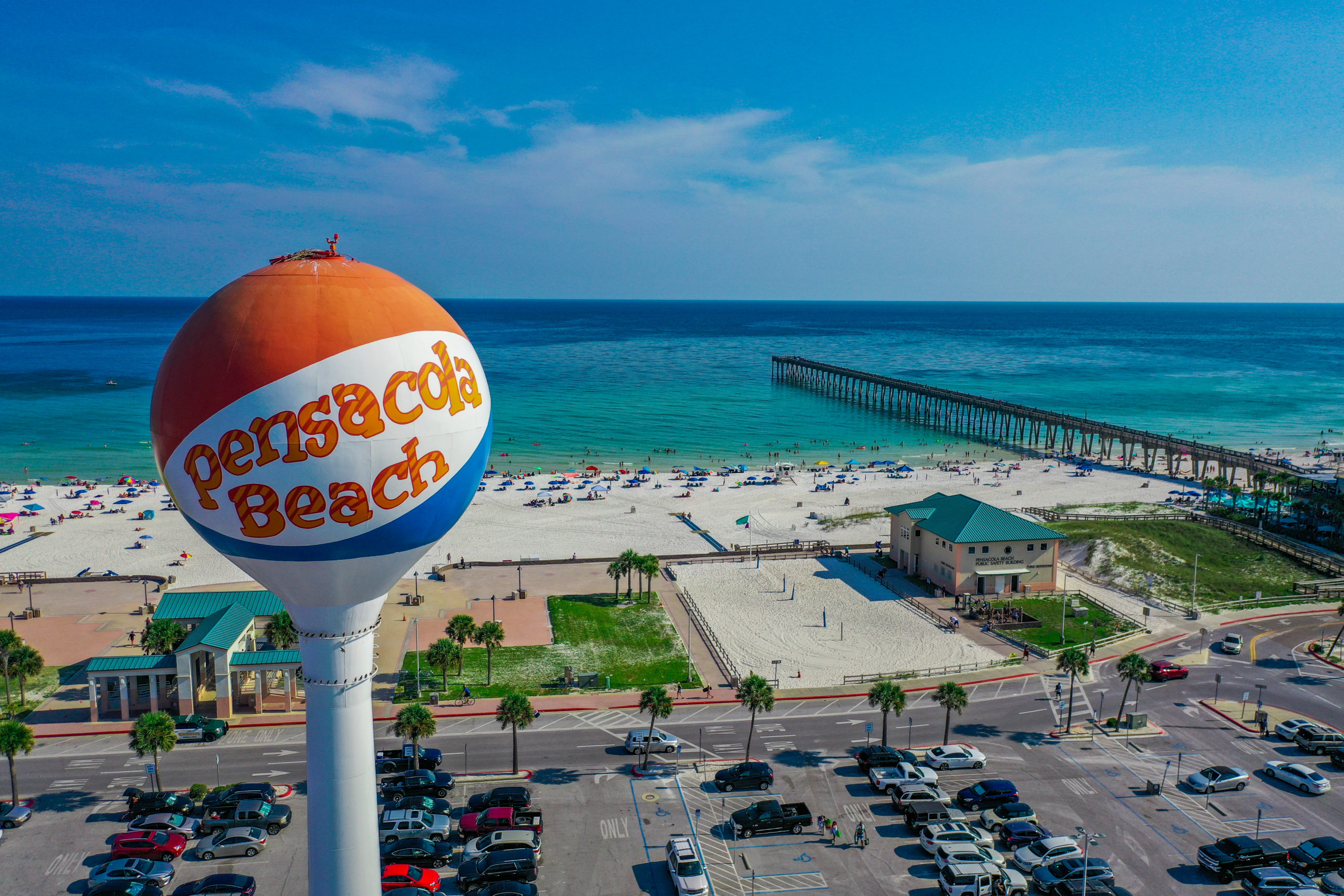
The answer matters more than most buyers realize. Your choice of management approach will directly determine how much net income you keep, how much of your personal time you spend, and how quickly you burn out — or don't. As someone who has watched dozens of investors navigate these exact decisions across Gulf Shores, Orange Beach, Perdido Key, Pensacola Beach, and Navarre Beach, I can tell you that there is no universal right answer. But there is definitely a right answer for you — and this guide will help you find it.


First, Know Your Market

These five markets are not the same. Gulf Shores and Orange Beach are Alabama's crown jewels of beach tourism — high demand, strong summer seasons, and a well-developed rental infrastructure with dozens of management companies competing for your listing. Perdido Key straddles the Florida-Alabama line and draws a more mixed crowd of families and long-weekend escape artists. Pensacola Beach on Santa Rosa Island comes with the unique wrinkle of a land-lease structure through the Santa Rosa Island Authority, which affects everything from financing to the way some agencies handle properties. Navarre Beach, just 30 minutes east of Pensacola, is the quieter cousin — lower entry prices, less competition, but also lower average nightly rates.

Tax rates vary too, and they add up fast. In Gulf Shores and Orange Beach, short-term rental owners collect and remit roughly 14–16% in combined state, county, and municipal lodging taxes. On the Florida side, Perdido Key and Pensacola Beach run around 12.5%, and Navarre Beach sits near 12%. These are guest-facing charges, but managing them incorrectly — or missing license requirements — can create real headaches. Gulf Shores, for instance, requires a formal rental license before you can legally advertise.


Option 1: Full Owner Management — No Help at All

Some investors want complete control and every dollar of rental income. The appeal is obvious: no management commission eating into your revenue. But "free" management is never truly free.

Running a short-term rental yourself means you are the booking agent, the housekeeper coordinator, the maintenance dispatcher, the guest communication center, and the accountant. You'll need to list on one or more platforms (more on those below), respond to inquiries often within minutes to stay competitive in search rankings, coordinate turnovers between guests, handle the 2 a.m. "the A/C isn't working" calls, and keep up with local tax remittance. If you live more than an hour away — which many investors do — even small maintenance issues become logistical nightmares.

Best for: Owners who live locally, have a flexible schedule, a trusted network of local vendors, and genuinely enjoy the hospitality side of things. Budget at least 10–20 hours per week during peak summer season.

Watch out for: One bad review from a poorly handled guest issue can cost you thousands in future bookings. The Gulf Coast high season is short — roughly Memorial Day to Labor Day — and you cannot afford many stumbles.


Option 2: VRBO and Airbnb — Platform-Assisted Self-Management

This is the most popular middle ground for hands-on investors who want to self-manage but leverage the marketing horsepower of the major platforms. VRBO (owned by Expedia) has historically dominated the Gulf Coast vacation rental market and remains the go-to platform for weekly-stay family trips — which is exactly the bread and butter of this region. Airbnb tends to attract shorter stays and a younger demographic, though it has grown its family vacation footprint considerably.
What it costs: VRBO currently charges hosts an 8% fee on bookings (5% commission + 3% payment processing), or you can opt for an annual subscription around $699 per year plus 3% processing. Airbnb, as of late 2025, charges most hosts a 15.5% host-only fee under their newer pricing model, though a split-fee structure (roughly 3% host / up to 14% guest) remains available for some hosts. These fees are on top of platform-specific guest service fees that can affect your price competitiveness.

What you keep: Roughly 85–92% of gross rental revenue before taxes and your own expenses (cleaning, supplies, maintenance, etc.).

The catch: You still own all the operational work. You need a reliable local cleaning crew, a handyman on speed dial, and the discipline to manage guest communications consistently. Platforms reward responsive hosts and bury unresponsive ones. If you're managing from out of town, even this "assisted" approach can quickly become overwhelming.

Best for: Investors with strong local vendor relationships and the time to actively manage communications and turnovers. Excellent for maximizing income on a single property.


Option 3: Small, Local ("Mom & Pop") Rental Agencies

Every beach community along this stretch has a handful of smaller, owner-operated rental companies that have been working these markets for decades. These are the folks who know which unit in which building rents best and why, who the reliable maintenance vendors are, and which weeks fill first every year. They tend to offer a more personalized relationship than you'll get from a corporate manager.

Commission rates at smaller agencies typically run 20–28% of gross rental revenue, and many include basic services like guest communication, booking management, cleaning coordination, and tax remittance. Some charge separately for linens, maintenance coordination, or inspections — always read the contract carefully.

What you gain: Local expertise, a genuine relationship with your property manager, and often more flexibility to block personal use weeks without pushback.

What you give up: Smaller agencies may not have the marketing reach or dynamic pricing software of larger competitors. If they manage 30 properties and yours sits in the middle of the pack, you may not get the premium attention your investment deserves. Always ask how many properties they manage and what their average occupancy rate looks like.


Option 4: Larger Regional Agencies — Vacasa, Beach Getaways, Perdido Realty, and Others

The big players bring serious infrastructure: professional photography, dynamic pricing algorithms, wide-net digital marketing, 24/7 guest support lines, and dedicated housekeeping teams. Companies like Vacasa — which acquired Meyer Vacation Rentals and now manages a large swath of Gulf Shores inventory — have the scale to put your listing in front of millions of potential guests. Local powerhouses like Beach Getaways and Perdido Realty combine regional brand recognition with deep knowledge of their specific markets.
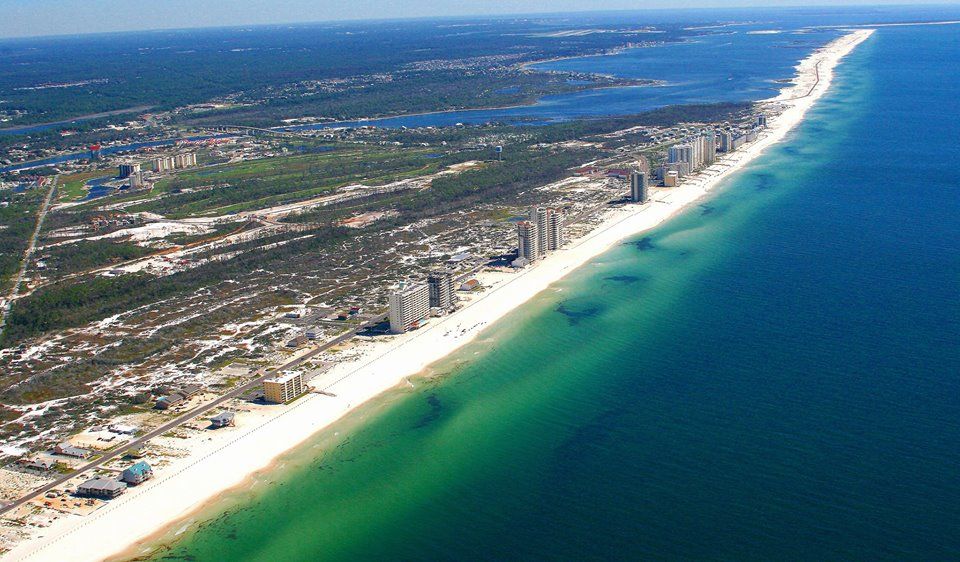
Commission rates at this level typically run 25–35% of gross rental revenue, and Vacasa in particular has been known to add housekeeping fees and other line-item charges on top of the base commission. On a property grossing $50,000 per year, the difference between a 20% agency and a 35% agency is $7,500 in your pocket — or theirs.

What you gain: Truly hands-off ownership. These agencies handle everything, and their marketing reach often results in higher occupancy rates that can partially offset the higher commission. For out-of-town investors who want a genuinely passive investment, a full-service agency is hard to beat.

What you give up: Control. Some larger agencies have strict standards for furnishings, upgrades, and policies. Your input on pricing decisions may be limited. And with a large portfolio, your unit can sometimes feel like a number rather than an asset someone is personally invested in protecting.

Pro tip: Before signing with any agency, ask for a sample owner statement, request three references from current property owners, and understand exactly what is — and is not — included in the management fee.


The Costs Nobody Talks About Upfront

Whether you self-manage or hire out, every Gulf Coast rental owner faces costs that can blindside first-time investors:

  • HOA fees and rental restrictions. Many condos along this corridor have HOAs with specific rules about minimum rental periods, tenant screening, or outright rental bans on certain unit types. Know these before you buy.
  • Insurance. A standard homeowner's policy does not cover short-term rentals. You'll need a specific vacation rental or commercial policy. Budget $2,000–$5,000+ annually depending on property value and location.
  • Maintenance reserves. Gulf air is hard on everything. HVAC systems, appliances, and coastal-exposed surfaces all have shorter lifespans than their inland equivalents. Budget 1–2% of property value annually for maintenance and reserves.
  • Furnishing and refresh costs. Guests are increasingly discerning. A tired, dated interior underperforms. Most investors should plan for a full furnishing refresh every 5–7 years.
  • Platform fees and booking gaps. High-season occupancy is strong across all five markets, but shoulder-season weeks can sit empty. Diversifying across multiple platforms — VRBO and Airbnb — helps, but adds to your management complexity.

Which Path Is Right for You?
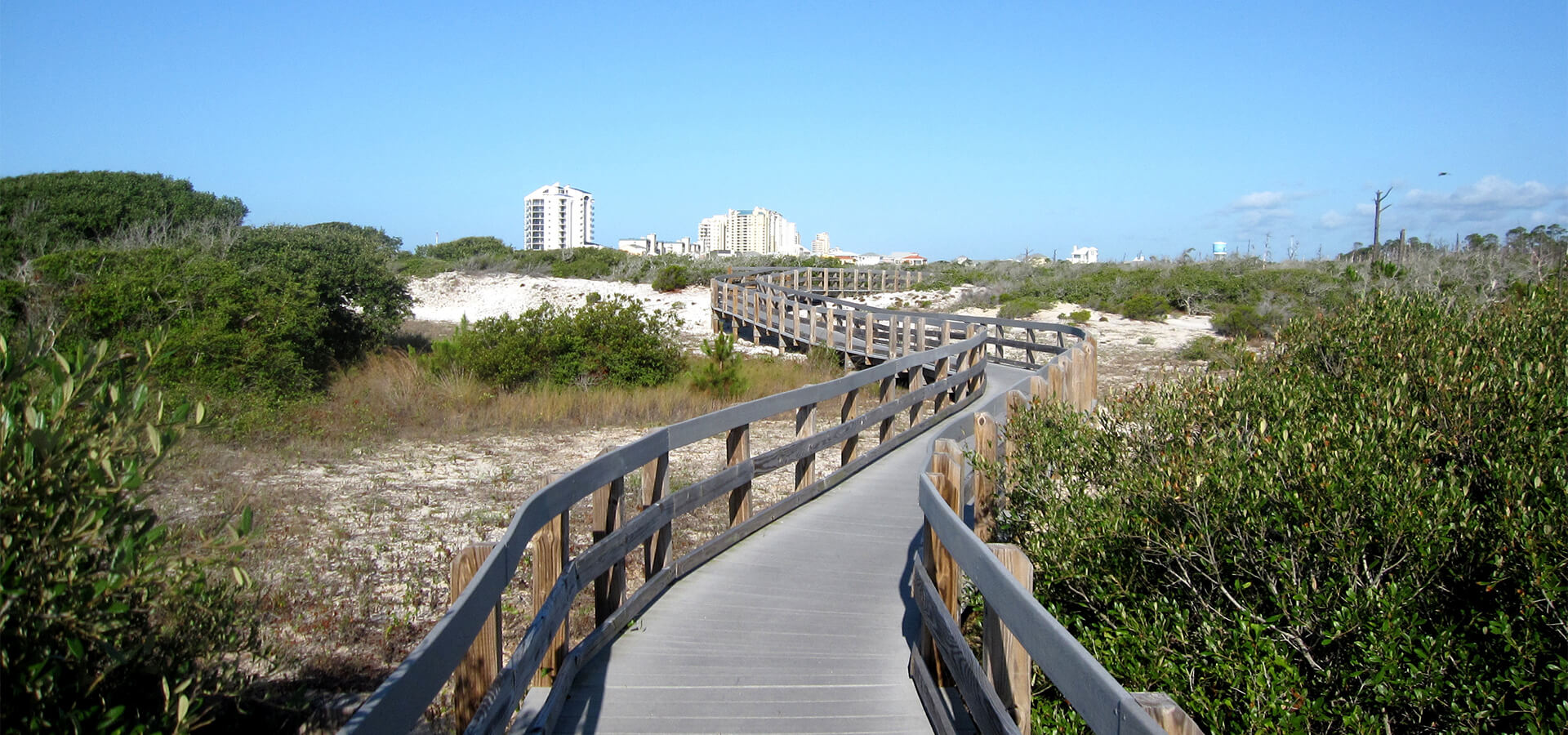
If you're local, hands-on, and motivated — self-managing with VRBO and Airbnb listings can maximize your net income. If you're an out-of-market investor who wants a genuinely passive asset, a full-service agency is worth the commission. If you want the best of both worlds, a quality smaller local agency often delivers personalized service at a mid-range cost.

The answer almost always depends on how you answer two questions: How much time can I realistically commit? And how far away do I live?


Talk to Someone Who Knows These Markets

Navigating short-term rental investment across Gulf Shores, Orange Beach, Perdido Key, Pensacola Beach, and Navarre Beach requires local expertise — not just general real estate knowledge. Pete King has deep experience in all five of these markets and helps investors not just find the right property, but structure the right management approach from day one.

Whether you're evaluating your first vacation rental or optimizing a growing portfolio, Pete can walk you through the real numbers, introduce you to vetted local partners, and help you make decisions grounded in how these specific markets actually behave — not how the brochures describe them.

Ready to talk strategy? Reach out to Pete directly at pete@perdidopete.com — no pressure, just real answers from someone who knows this coastline.


Pete King is a Gulf Coast real estate expert specializing in vacation rental investment properties across Gulf Shores and Orange Beach, Alabama, and Perdido Key, Pensacola Beach, and Navarre Beach, Florida.

Posted in Real Estate News
May 11, 2026

FL vs. AL: Taxes and your vacation property

Florida vs. Alabama: Tax Differences for Vacation Property Owners

If you're shopping for a vacation property on the Gulf Coast, you've probably noticed that some of the best options straddle a state line. Perdido Key and Pensacola Beach sit in Florida. Orange Beach and Gulf Shores are in Alabama. They're separated by just a few miles — sometimes just a bridge — but from a tax standpoint, they operate under two very different sets of rules.

Understanding those differences can meaningfully affect your bottom line, whether you're buying for personal use, rental income, or long-term investment. As an agent licensed in both Florida and Alabama it is almost weekly that I am asked questions about these differences. This isn't a replacement for advice from a qualified CPA or tax attorney — and you should absolutely consult one before you buy — but this breakdown will help you ask the right questions and go into the process informed.


State Income Tax

This is the big one, and Florida wins clearly.

 /> />

Florida has no state income tax. Zero. That means rental income you earn from a Florida vacation property is not subject to state-level income tax. For investors generating significant rental revenue, this is a meaningful advantage.

Alabama has a state income tax with rates ranging from 2% to 5%, depending on your income level. Rental income earned from an Alabama property is generally considered Alabama-sourced income and is subject to Alabama state income tax, even if you live in another state.

If you're comparing an otherwise similar property in Perdido Key versus Orange Beach, the Florida income tax advantage is real — particularly for high-volume rental properties generating strong annual income.

 />

Worth noting: If you live in a state that has its own income tax, your home state will likely want to tax your rental income too. How that interacts with Alabama's tax depends on your specific state's laws and any applicable tax credits. Again, a CPA who works with out-of-state property owners is invaluable here.


Property Taxes

Here Alabama often has the advantage — sometimes significantly so.

Alabama property taxes are among the lowest in the country. The state has a constitutional cap on property tax rates, and effective rates for vacation/investment properties are typically well below the national average. For a condo in Orange Beach or Gulf Shores, annual property taxes are often surprisingly modest relative to the property's market value.

Florida property taxes are higher — not dramatically so, but noticeably. Florida does offer a Homestead Exemption that significantly reduces property taxes for primary residents, but vacation properties and investment properties do not qualify for homestead. That means you're paying the full assessed rate, which in Escambia and Santa Rosa counties (covering Pensacola Beach and Perdido Key) can be meaningfully higher than what you'd pay on a comparable Alabama property.

The practical impact: On a $600,000 condo, the annual property tax difference between a Florida and Alabama property could easily be $2,000–$4,000 or more. Over a 10-year hold, that adds up. Factor this into your investment analysis.


Short-Term Rental Taxes

This is where things get more complicated — and where a lot of vacation property owners get caught off guard.

Both Florida and Alabama require short-term rental operators to collect and remit taxes on rental income. These taxes go by different names and are administered differently in each state, but the concept is the same: when you rent your property to a guest, you owe taxes on that transaction.

In Florida, short-term rentals are subject to:

  • State Sales Tax (currently 6%)
  • Discretionary Sales Surtax, which varies by county
  • Tourist Development Tax (also called "bed tax"), which varies by county

In Escambia County (Pensacola Beach) and Santa Rosa County, the combined rate for short-term rentals typically lands in the 11–12% range, though you should verify current rates with the Florida Department of Revenue and your county tax collector.

In Alabama, short-term rentals are subject to:

  • State Lodging Tax (currently 5%)
  • County and Municipal Lodging Taxes, which vary by location

In Baldwin County (Orange Beach and Gulf Shores), the combined lodging tax rate for short-term rentals is typically in the 14–16% range when you add state, county, and city taxes together. This is generally higher than the comparable Florida burden, which partially offsets Alabama's property tax advantage.

The practical impact for investors: Most of these taxes are passed through to guests rather than paid out of pocket by the owner — your guests pay them on top of their nightly rate. But you are responsible for collecting and remitting them correctly. Many property management companies handle this automatically, which is one reason working with a local management company is worth considering.


Capital Gains and Property Sale

< />

When you eventually sell your vacation property, federal capital gains tax applies in both states. The state-level treatment differs.

In Florida, there is no state capital gains tax. Your gain on the sale of a Florida vacation property is subject only to federal capital gains tax (typically 15% or 20% for long-term gains, depending on your income, plus the 3.8% net investment income tax if applicable).

In Alabama, capital gains from the sale of real property are taxed as ordinary income at the state level, subject to Alabama's income tax rates of up to 5%. For a significant gain on a well-appreciated Gulf Coast property, this could be a meaningful difference.

If you're thinking about your eventual exit strategy — and all good investors should be — the Florida advantage on capital gains is worth factoring into your long-term analysis.


LLC and Entity Ownership

Many investors choose to hold vacation properties in an LLC for liability protection. The tax treatment of LLCs differs between states.

Florida charges an annual LLC fee but has no state income tax, which generally makes LLC ownership of a Florida rental property relatively straightforward from a tax perspective.

Alabama has its own LLC formation and annual report requirements, and LLC rental income is subject to Alabama's income tax rules.

If you're planning to hold property in an entity, make sure your attorney and CPA are familiar with the specific requirements in whichever state your property is located.


The Bottom Line for Investors

Neither state is a clear winner across every category — it depends on your situation and priorities.

Factor

Florida

Alabama

State Income Tax

None

Up to 5%

Property Taxes

Higher

Lower

Short-Term Rental Taxes

~11–12% combined

~14–16% combined

Capital Gains Tax

None at state level

Taxed as ordinary income

Overall for High-Volume Rentals

Advantage Florida

Overall for Lower-Priced Entry Points

Advantage Alabama

Florida tends to favor investors who are generating significant rental income and anticipate strong appreciation — the income tax and capital gains advantages compound over time for high earners and long-term holders.

Alabama tends to favor investors who are more focused on cash flow and keeping annual carrying costs low — lower property taxes mean lower fixed expenses regardless of how the rental season performs.

The best investment isn't always in the state with the lowest taxes. It's the right property, in the right building, at the right price — in whichever state that hapText Box: This Photo by Unknown Author is licensed under CC BY-SApens to be. What the tax picture does is help you accurately model your true net return so you're comparing apples to apples when you evaluate properties across the state line.


This post is intended for general informational purposes only and does not constitute tax or legal advice. Tax laws change, rates vary by county and municipality, and your individual situation will affect how these rules apply to you. Always consult a qualified CPA and/or tax attorney before making a real estate investment decision.


Our team works with buyers on both sides of the state line — from Perdido Key and Pensacola Beach in Florida to Orange Beach and Gulf Shores in Alabama. We can connect you with local CPAs and property managers who specialize in Gulf Coast vacation rentals and help you evaluate properties in both markets with a clear picture of your real costs. Contact us today to get started.


logo-facebook logo-twitter logo-linkedin logo-instagram logo-youtube
 

Team Perdido

Pete King  Realtor
Pointe South Real Estate

Phone: (850) 261-3938
Office: (850) 261-3938
Email: pete@perdidopete.com
License: FL and AL
Click for OUR REVIEWS
 
IMPORTANT. the content of this email and any attachments are confidential. They are intended for the named recipient(s) only. if you have received this email by mistake, please notify the sender immediately and do not disclose the content to anyone or make copies thereof.
May 7, 2026

Orange Beach vs. Gulf Shores

Orange Beach vs. Gulf Shores: Which Is Better for Investors?

If you're looking to buy a vacation rental property on Alabama's Gulf Coast, you've probably already narrowed it down to two places: Orange Beach or Gulf Shores. They sit right next to each other, share the same stunning white sand beaches, and on the surface look almost identical. But for investors, the differences matter — and they can affect your rental income, appreciation potential, and long-term return.

Here's an honest breakdown of both markets so you can make the smartest investment decision for your goals.


First, a Quick Geography Lesson

Aerial view of a beach and water

AI-generated content may be incorrect.

Gulf Shores is the larger, more established of the two cities. It anchors the western end of Alabama's beach corridor and is home to Gulf State Park, one of the most visited state parks in the country. It has a broader mix of property types — from budget-friendly condos to luxury beachfront units — and a well-developed infrastructure of restaurants, shops, and attractions.

Orange Beach sits to the east and has a slightly more upscale, resort-style feel. It's home to some of the most luxurious condo developments on the Gulf Coast, including Turquoise Place, Caribe, and The Wharf. It also has more direct access to deep-sea fishing and marina activity, which draws a distinct type of visitor.


Rental Income Potential

Both markets perform well as short-term rentals, but they attract slightly different renters — and that affects your numbers.

Gulf Shores tends to draw larger family groups and budget-conscious vacationers. The proximity to Gulf State Park, public beaches, and more affordable dining options makes it a popular choice for families who visit year after year. Properties here often book heavily in summer and can see solid occupancy from spring break through Labor Day. Average nightly rates are generally lower than Orange Beach, but high occupancy can offset that gap.

A person and kids on a beach

AI-generated content may be incorrect.

Orange Beach attracts a higher-spending demographic. Visitors tend to be couples, fishing enthusiasts, and families willing to pay a premium for a nicer unit, a better view, or resort-style amenities. Luxury high-rises like Turquoise Place and Caribe consistently command some of the highest nightly rates on the Gulf Coast. If your unit is in a well-regarded building with strong amenities, you can charge more per night and still maintain solid occupancy.

A person and person lying on chairs on the beach

AI-generated content may be incorrect.A close-up of hands holding a seashell

AI-generated content may be incorrect.

The investor takeaway: If you're buying at a lower price point and want maximum occupancy, Gulf Shores may pencil out better. If you're buying a premium unit and want to maximize revenue per booking, Orange Beach has the edge.


Purchase Price and Entry Point

Gulf Shores generally offers a lower barrier to entry. You can find one- and two-bedroom condos in solid rental buildings at more accessible price points, which can be attractive for first-time vacation property investors or those looking to minimize their initial capital outlay.

Orange Beach skews higher. The luxury developments that dominate the eastern end of the island — Turquoise Place, Caribe, Bella Luna, The Wharf — carry premium price tags to match their premium amenities. However, those same premium properties also generate premium rental income, so the higher purchase price isn't necessarily a dealbreaker for return on investment. You're paying more, but you're also earning more.

There are also mid-range options in Orange Beach — buildings like Romar Beach, Opal, and Regency Isle — that offer a middle ground between Gulf Shores affordability and Orange Beach appeal.


Appreciation and Long-Term Value

Both markets have seen strong appreciation over the past several years, driven by the broader surge in demand for Gulf Coast vacation properties. That said, there are some nuances worth noting.

Orange Beach has seen some of the strongest price growth, particularly in the luxury condo segment. Limited developable land, strict building regulations, and consistent demand from high-net-worth buyers have created a market where well-located properties hold their value exceptionally well.

See the Orange Beach Market Report for the last 12 months

Gulf Shores has also appreciated steadily, with Gulf State Park and continued infrastructure investment supporting long-term demand. The planned expansion of the park and ongoing tourism development make Gulf Shores a solid long-term hold.

See the Gulf Shores Market Report for the last 12 months

The investor takeaway: Both markets offer solid appreciation potential. Orange Beach may have a slight edge in luxury properties, while Gulf Shores benefits from strong institutional anchors like Gulf State Park.


HOA Fees and Operating Costs

This is where a lot of investors get surprised. Gulf Coast condos — particularly in the luxury segment — often carry significant HOA fees that can meaningfully impact your net operating income. Before comparing Orange Beach to Gulf Shores, you need to compare buildings within each market, because HOA fees vary widely even within the same city.

As a general rule, the more amenities a building has — multiple pools, lazy rivers, fitness centers, covered parking, concierge services — the higher the HOA fees. Orange Beach's luxury buildings tend to carry higher fees than Gulf Shores' more modest developments. That doesn't make them bad investments, but it does mean you need to run the full numbers rather than just looking at purchase price and projected rental income.


Short-Term Rental Regulations

This is a critical factor that many out-of-state investors overlook. Both Orange Beach and Gulf Shores currently permit short-term rentals in most condo buildings, but regulations can and do change. It's worth monitoring local ordinances and understanding your specific building's rules before you buy.

Some buildings in both markets have restrictions on minimum rental periods or caps on how many days per year you can rent. Always verify rental rules at both the city level and the HOA level before closing.


Which Should You Choose?

There's no single right answer — it depends on your investment strategy.

Choose Gulf Shores if:

  • You want a lower entry price point
  • You're targeting high-volume family renters
  • You want proximity to Gulf State Park as a long-term demand driver
  • You're a first-time vacation property investor building your footing

Choose Orange Beach if:

  • You want to maximize revenue per booking with a premium property
  • You're targeting higher-income guests willing to pay for luxury
  • You're looking at buildings like Turquoise Place, Caribe, or Caribe that combine strong amenities with strong rental history
  • You want to own in a market with limited supply and consistent upscale demand

The good news is that both markets are strong, and both have produced excellent returns for well-informed investors. The key is buying the right property in the right building at the right price — which is where local expertise makes all the difference.


Thinking about investing on Alabama's Gulf Coast? Our team specializes in Orange Beach and Gulf Shores investment properties and can walk you through current rental income data, HOA details, and available listings in both markets. Contact us today to start the conversation.

A person in a suit

AI-generated content may be incorrect.

A close-up of a logo

AI-generated content may be incorrect.

logo-facebook

logo-twitter

logo-linkedin

logo-instagram

logo-youtube


Team Perdido

Realtor
Pointe South Real Estate


SEE MY WEB SITE FOR FL AND AL PROPERTIES


Phone: (850) 261-3938

Office: (850) 261-3938

Email: pete@perdidopete.com

License: FL and AL


CLICK FOR OUR REVIEWS


IMPORTANT. the content of this email and any attachments are confidential. They are intended for the named recipient(s) only. if you have received this email by mistake, please notify the sender immediately and do not disclose the content to anyone or make copies thereof.


Jan. 31, 2026

Just Listed In Lost Key

14542 Salt Meadow Dr, Perdido Key, FL

Just Listed

$ CLICK FOR CURRENT PRICE
2 BEDROOMS 3 BATHROOMS  FULL GARAGE | BACK PORCH

Perfectly ideal Lost Key Townhome - one of the quality originals developed and built by WCI! Sold completely furnished and equipped for immediately occupancy. Features such as porcelain tile flooring in the wood plank style on the main living level, handsome kitchen with stainless Whirlpool appliances, quartz countertops and beautiful white cabinetry, all work together with tasteful coastal furnishings to make this townhome an excellent offering. Additional features of the home include dual A/C units, single car garage with golf cart parking plus additional storage, and a wonderfully livable porch overlooking the Lost Key landscape. Amenities of the Lost Key complex include tennis courts, fitness center, pool with hot tub, and a fabulous BEACH CLUB located right on the sugar white sands of Perdido Key. The Beach Club has its own restaurant, pool, sun deck, and beach walkover. Walking trails are located throughout the complex and connect with the convenient multi-use path on Perdido Key Drive. Marina and boating facilities are located nearby on River Rd.

Posted in Buying a Home
Jan. 29, 2026

Retirement Rates

Why So Many Homeowners Are Downsizing Right Now


For a growing number of homeowners, retirement isn’t some distant idea anymore. It’s starting to feel very real.

According to Realtor.com and the Census, nearly 12,000 people will turn 65 every day for the next two years. And the latest data shows as many as 15% of those older Americans are planning to retire in 2026. And another 23% will do the same in 2027.

If you’re considering retiring soon too, here’s what you should be thinking about.

Why Downsize?

Now's the perfect time to reflect on what you want your life to look like in retirement. Because even though your finances will be going through a big change, you don’t necessarily want to feel like you’re living with less.

But odds are, what you do want is for life to feel easier.

Easier to enjoy.

Easier to manage.

Easier to maintain day-to-day.

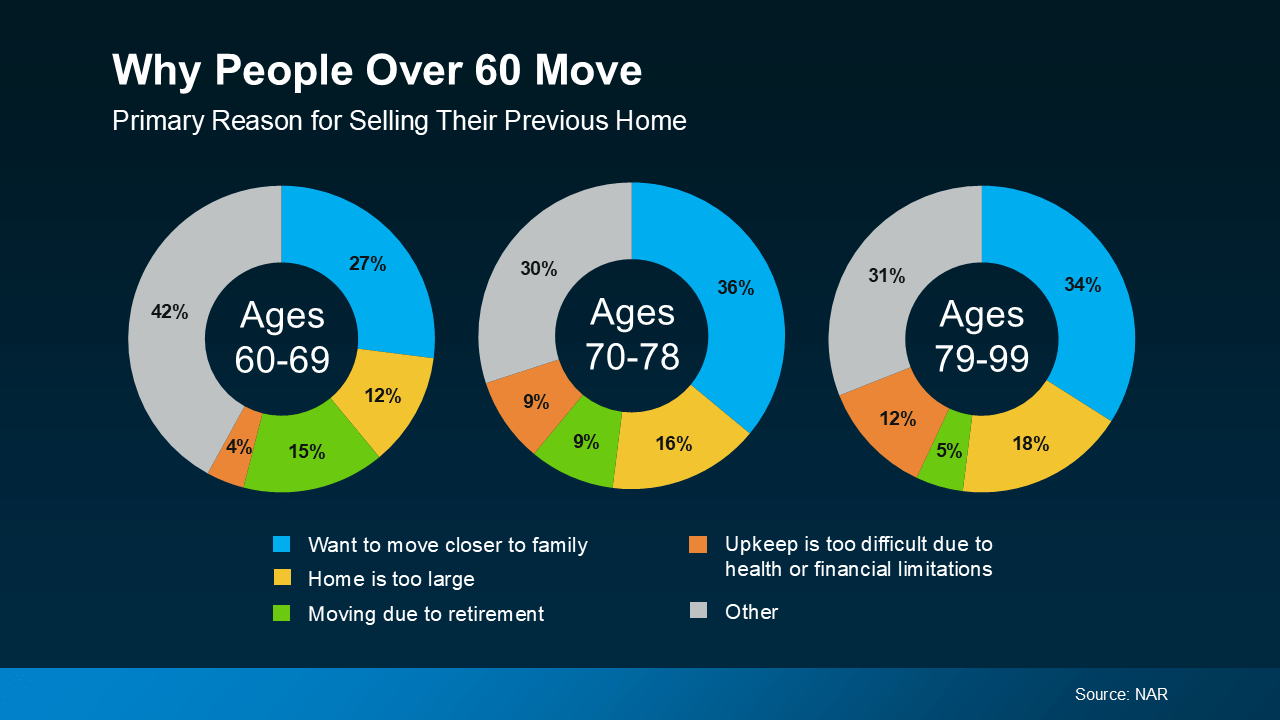
The Top Reasons People Over 60 Move

You can see these benefits show up in the data when you look at why people over 60 are moving. The National Association of Realtors (NAR) finds the top 4 reasons aren’t about timing the market or chasing top dollar. They’re about lifestyle:

  • Being closer to children, grandchildren, or long-time friends so it’s easier to spend more time with the people who matter most
  • Wanting a smaller, more functional home with fewer stairs and easier upkeep
  • Retiring and no longer needing to live near the office, so it’s easier to move wherever you want
  • Opting for something smaller to reduce monthly expenses tied to utilities, insurance, and maintenance

 a graph of age groups

No matter the reason, the theme is the same: downsizing isn’t about giving something up. It’s about gaining control and choosing simplicity. And it brings peace of mind to know your home fits the years ahead, not the years behind.

And the best part? It’s more financially feasible now than many homeowners would expect.

The #1 Thing Helping So Many Homeowners Downsize

Here’s the part that makes it possible. Thanks to how much home values have grown over the years, many longtime homeowners are realizing they’re in a stronger position than they thought to make that move.

According to Cotality, the average homeowner today has about $299,000 in home equity. And for older Americans, that number is often even higher – simply because they’ve lived in their homes longer.

When you stay in one place for years (or even decades), two things happen at the same time:

  • Your home value has time to grow.
  • Your mortgage balance shrinks or disappears altogether.

That combination creates more options than you’d expect, even in today’s market.

So, whether you just retired, or you're about to, it's not too soon to start thinking about what comes next. Sure, it can be hard to leave the house you made so many years of memories in, but maybe it’s time to close one chapter to open a new one that’s just as exciting. 

Bottom Line

Downsizing is about setting yourself up for what comes next – on your terms.

If retirement is on the horizon and you’ve started wondering what your current house (and your equity) could make possible, the first step isn’t selling. It’s understanding your options.  Download a free .pdf guide to downsizing here.

Let’s talk. A simple, no-pressure conversation can help you see what downsizing might look like – and whether it makes sense for you. 

Aug. 20, 2025

Current Condo Market

Condos Could Be a Win for Today’s Buyers


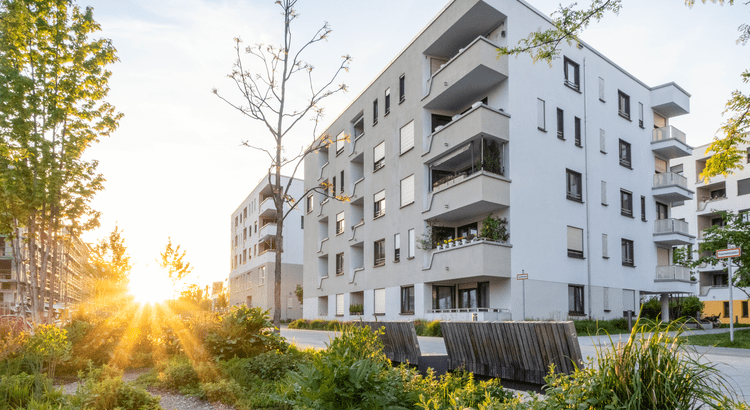
Not every homebuyer wants the biggest house on the block. Some want something simpler, more affordable, and easier to maintain, especially in a market where every dollar counts. That’s where condos come in.

For first-time buyers, they can be a smart way to get into homeownership without stretching your budget. For downsizers, they offer less space to maintain with the flexibility to stay in a great location.

And right now, condos are one of the most buyer-friendly parts of the market.

Condo Inventory Is Up, And That Means More Choice

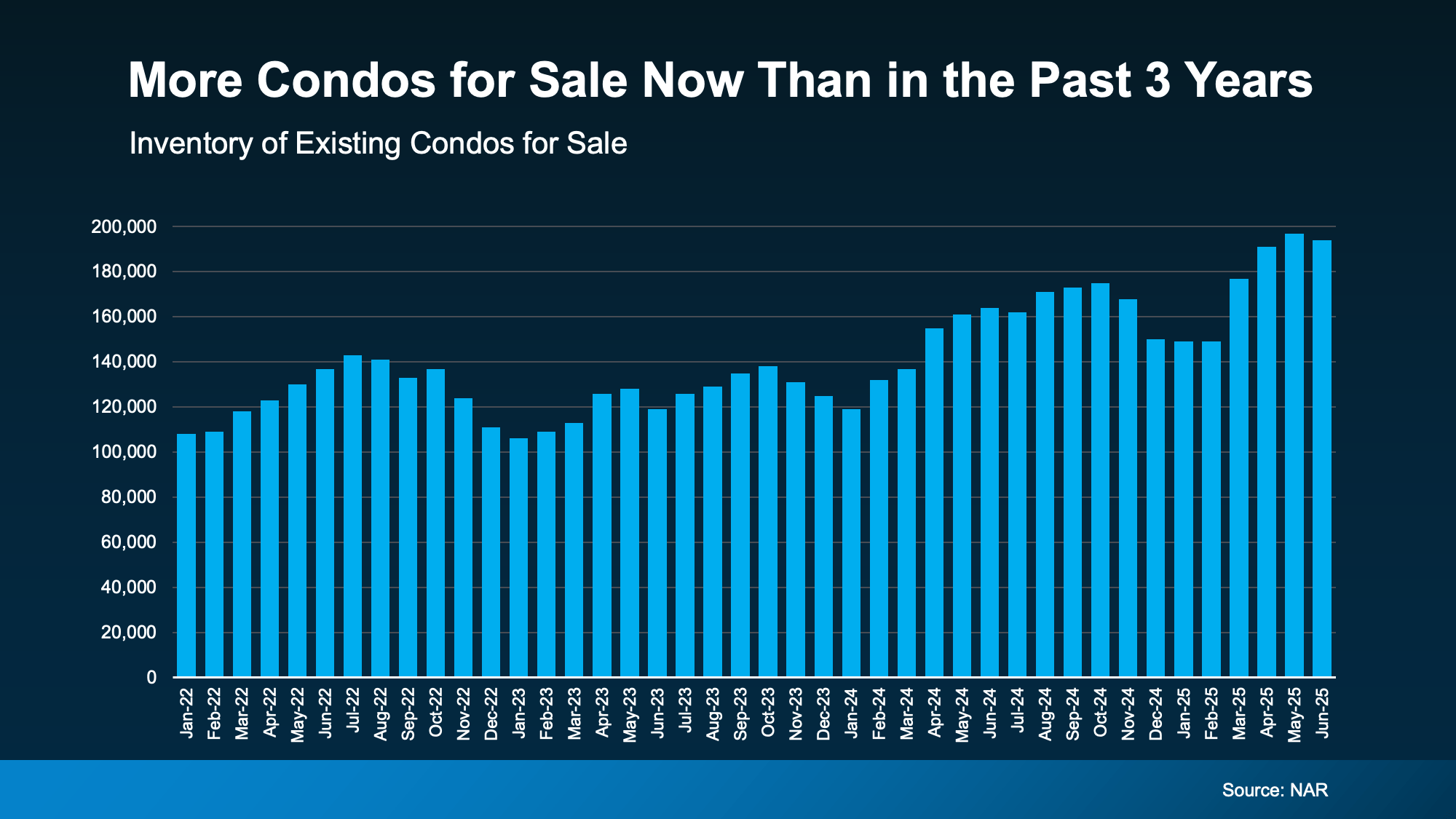
According to the National Association of Realtors (NAR), there are 194,000 condos for sale right now. That’s the second highest amount we’ve seen in the last three years (see graph below):

a graph of blue lines with white text

Just remember, this is the national figure. The exact number is going to vary based on where you’re looking to buy. But, generally speaking, you have more options and less competition.

You’re not stuck waiting for something to pop up or rushing into an offer just to beat someone else to it. You’ve got plenty to choose from. And if you’re particular about layout, location, or amenities, this is your chance to be selective.

That’s a big shift from the market frenzy of just a few years ago. Compared to early 2022, we’ve got nearly double the condos available now. That gives you more breathing room to find the right fit.

Prices Are Cooling, and Buyers Hold More Negotiating Power

And since there are more for sale, many sellers are more open to negotiating right now. So, you may be able to get a better price. As Redfin explains:

“. . . condo buyers in many cities may be able to find sellers who are willing to give concessions and/or sell for less than their asking price.”

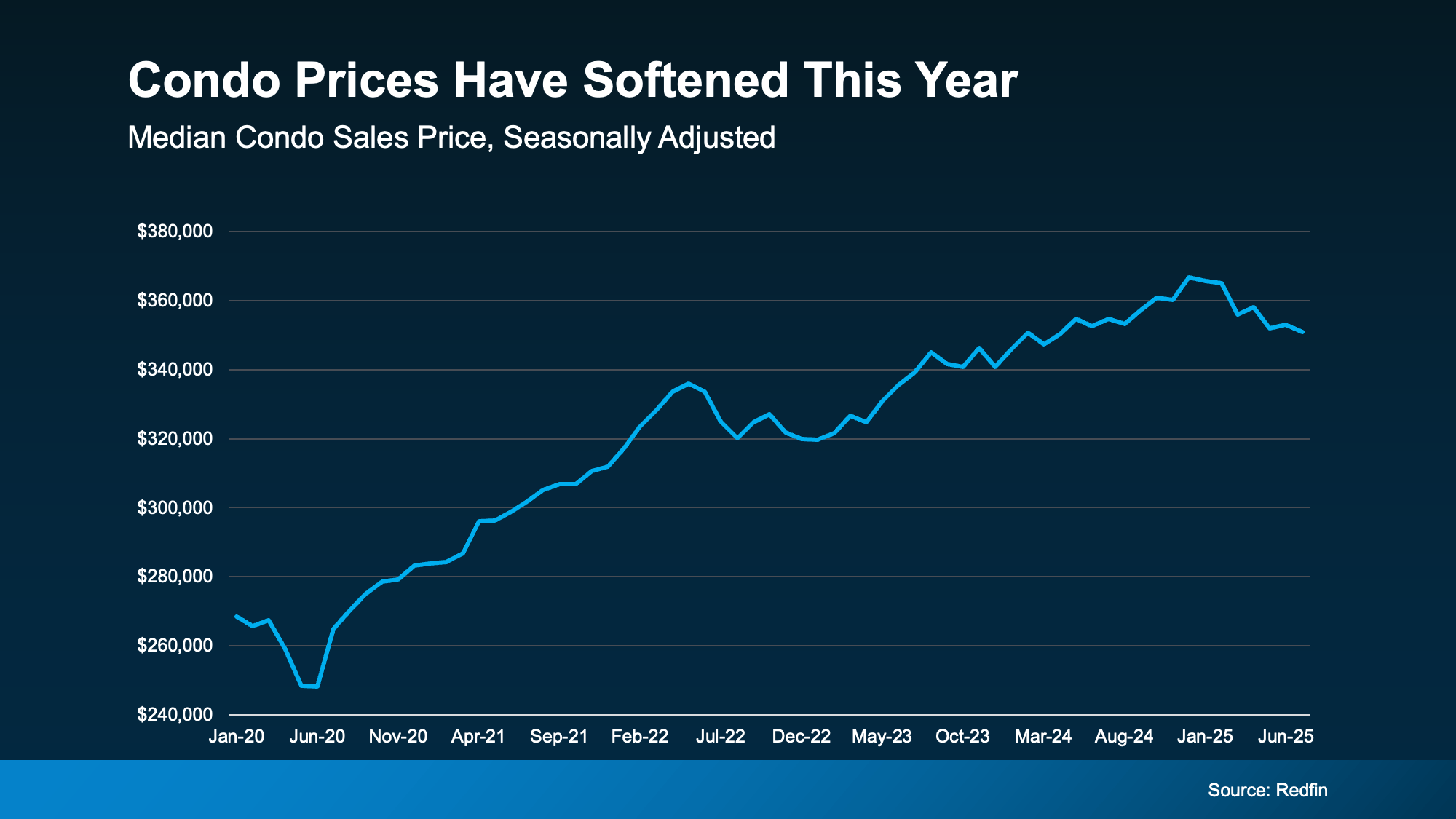
Condo prices are starting to ease in many markets. According to Intercontinental Exchange (ICE), condo prices dipped 1.3% in June compared to last year. And over half of the top 100 U.S. metros saw condo prices drop slightly year-over-year.

Data from Redfin shows what the recent dip in prices looks like (see graph below):

a graph showing the price of a sales increaseThat doesn’t just help with affordability, it also shifts the power dynamic. Condo buyers in many markets are now in a position to negotiate on price and ask for concessions, like help with closing costs.

Bottom Line

Condos aren’t just a fallback option. In today’s market, they’re one of the most strategic ways to buy. With more options, softening prices, and more room to negotiate, now could be the right time to make your move.

Could a condo check more boxes than you expected? Let’s talk through your options and find out.

July 23, 2025

Foreclosures Spiking??

The U.S. Foreclosure Map You Need To See


Foreclosure headlines are making noise again – and they’re designed to stir up fear to get you to read them. But what the data shows is actually happening in the market tells a very different story than what you might be led to believe. So, before you jump to conclusions, it’s important to look at the full picture.

Yes, foreclosure starts are up 7% in the first six months of the year. But zooming out shows that’s nowhere near crisis levels. Here’s why.

Filings Are Still Far Below Crash Levels

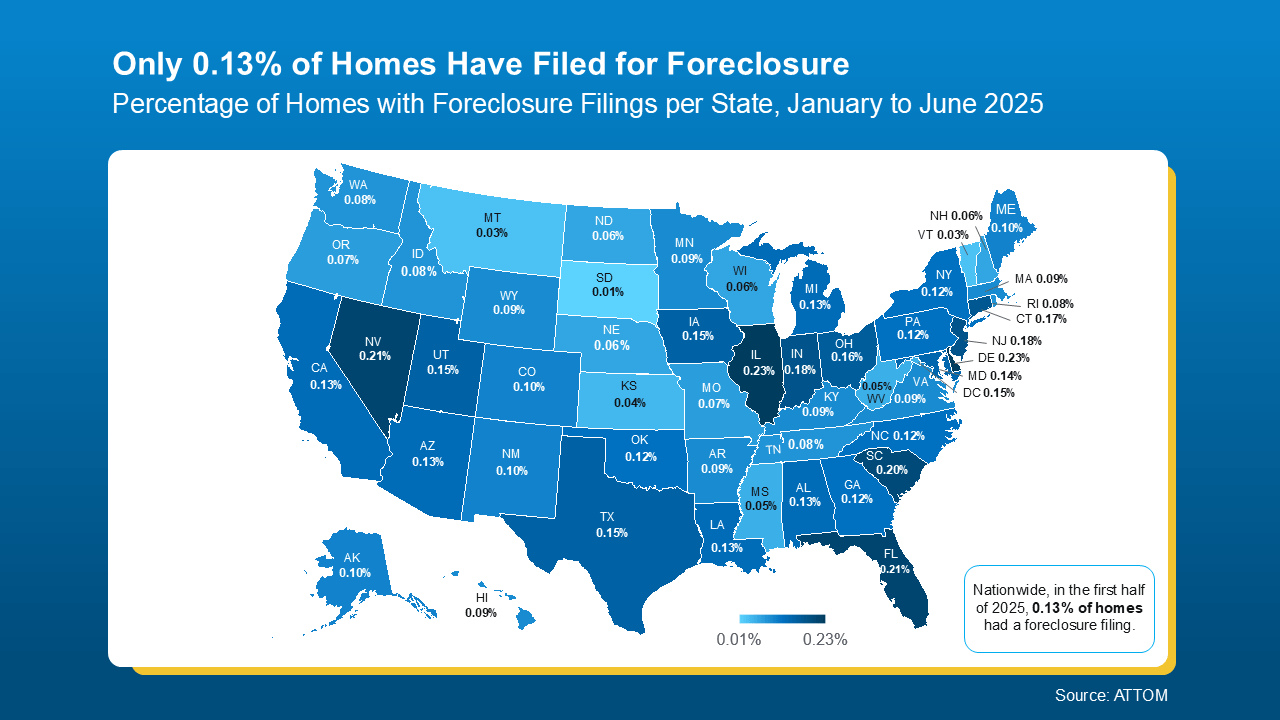
Even with the recent uptick, overall foreclosure filings are still very low. In the first half of 2025, just 0.13% of homes had filed for foreclosure. That’s less than 1% of homes in this country. In fact, it’s even far less than that at under a quarter of a percent. That’s a very small fraction of all the homes out there. But like with anything else in real estate, the numbers vary by market.

Here’s the map you need to see that shows how foreclosure rates are lower than you might think, and how they differ by local area:

a map of the united statesFor context, data from ATTOM shows in the first half of 2025, 1 in every 758 homes nationwide had a foreclosure filing. Thats the 0.13% you can see in the map above. But in 2010, back during the crash? Mortgage News Daily says it was 1 in every 45 homes.

Today’s Numbers Don’t Indicate a Market in Trouble

But here’s what everyone remembers…

Leading up to the crash, risky lending practices left homeowners with payments they eventually couldn’t afford. That led to a situation where many homeowners were underwater on their mortgages. When they couldn’t make their payments, they had no choice but to walk away. Foreclosures surged, and the market ultimately crashed.

Today’s housing market is very different. Lending standards are stronger. Homeowners have near record levels of equity. And when someone hits financial trouble, that equity means many people can sell their home rather than face foreclosure. As Rick Sharga, Founder of CJ Patrick Company, explains:

“. . . a significant factor contributing to today’s comparatively low levels of foreclosure activity is that homeowners—including those in foreclosure—possess an unprecedented amount of home equity.”

No one wants to see a homeowner struggle. But if you’re a homeowner facing hardship, talk to your mortgage provider. You may have more options than you think.

Bottom Line

Recent headlines may not tell the whole story, but the data does. Foreclosure activity remains low by historical standards and is not a sign of another crash.

If you’re simply watching the market and want to understand what’s really going on, or how this impacts the value of your home, let’s connect. I’ll help you separate fact from fear by showing you what the data really says.

<div style="width:100%;float:left;"><br>                                    <div class="email-signature" bgcolor="#fff" style="font-family: -apple-system, BlinkMacSystemFont, Roboto, Helvetica, Arial, Verdana, sans-serif;color:#222;font-size:16px;"> <table width="500" border="0" cellpadding="0" cellspacing="0" style="border:0;max-width: 500px;min-width: 500px;"> <tbody> <tr> <td> <table> <tbody><tr> <td class="" align="left" style="background-color:transparent;border:0;vertical-align: top;width: 135px;padding: 0 5px;" valign=""> <div width="120" class="w-mobile" valign="top" align="center" style="background-color:transparent;border:0;text-align: center;vertical-align: top;margin: auto;"> <img src="http://photos.listingstoleads.com/member_assets/photo/1451410012use_for_l2l_thb.jpg" width="135" class="w-mobile" height="135" style="object-fit: cover;height: 135px;border-radius: 50%;max-height: 135px;max-width: 135px;border: solid 5px rgb(0, 156, 189);width: 135px;" alt=""> </div> <div style="height: 12px;"></div> <div width="120" class="w-mobile" valign="top" align="center" style="background-color:transparent;border:0;text-align: center;vertical-align: middle;margin: auto;"> <img width="130" class="w-mobile" src="https://photos.listingstoleads.com/system_img/logo/1711115721_TeamPerdidoVerticalLogo.jpg" alt="" style="max-width:100%;padding:0;box-shadow:none;border:none;margin:0;max-height: 130px;height: auto;object-fit: contain;object-position: left;"> </div> <div style="height: 12px;"></div><div style="margin: 0;padding: 0;text-align: center;"> <table style="margin: auto;"> <tbody> <tr> <td class=""> <a href="https://www.facebook.com/PerdidoPete" style="text-decoration:none;display: inline-block;border:0!important;margin-right: 3px;" target="_blank"> <img src="https://photos.listingstoleads.com/system_img/social_icons/logo-facebook.png" height="25" width="25" alt="logo-facebook"> </a> </td> <td class=""> <a href="https://twitter.com/PerdidoPete" style="text-decoration:none;display: inline-block;border:0!important;margin-right: 3px;" target="_blank"> <img src="https://photos.listingstoleads.com/system_img/social_icons/logo-twitter.png" height="25" width="25" alt="logo-twitter"> </a> </td> <td class=""> <a href="https://www.linkedin.com/profile/view?id=AAkAAAJSI6QBr5khIeOBrLUkmuamjdmMuGkBIVc&amp;authType=NAME_SEARCH&amp;authToken=_9VM&amp;locale=en_US&amp;trk=tyah&amp;trkInfo=clickedVertical%3Amynetwork%2CclickedEntityId%3A38937508%2CauthType%3ANAME_SEARCH%2Cidx%3A1-3-3%2CtarId%3A14" style="text-decoration:none;display: inline-block;border:0!important;margin-right: 3px;" target="_blank"> <img src="https://photos.listingstoleads.com/system_img/social_icons/logo-linkedin.png" height="25" width="25" alt="logo-linkedin"> </a> </td> <td class=""> <a href="https://www.instagram.com/petekingster/" style="text-decoration:none;display: inline-block;border:0!important;margin-right: 0;padding-right: 0px;" target="_blank"> <img src="https://photos.listingstoleads.com/system_img/social_icons/logo-instagram.png" height="25" width="25" alt="logo-instagram"> </a> </td> </tr> </tbody> </table> </div> </td> <td width="20" style="background-color:transparent;border:0;"></td> <td style="vertical-align: top;"> <table width="100%" border="0" cellpadding="0" cellspacing="0" style="border:0;"> <tbody> <tr> <td> <h1 style="color: rgb(0, 156, 189);font-size: 30px;margin: 0;line-height: 1;font-weight: 800;margin-bottom: 5px;">Team Perdido</h1> <h4 style="font-size: 15px;color: #161616;margin: 0;line-height: 1;font-weight: 400;"> Realtor <br>Pointe South Real Estate </h4> </td> </tr> <tr height="14"></tr> <tr> <td> <div style="cursor:pointer;display: block;text-transform:uppercase;line-break: auto;padding: 15px 10px;border-radius: 20px;border-collapse: collapse;text-align: center;background-color: transparent;color: #000;font-size: 12px;font-weight: 700;border: solid 1px rgb(0, 156, 189);max-width: fit-content;"> <a href="https://www.TeamPerdido.com" target="_blank" style="border-bottom: 0 !important;display: block;text-transform:uppercase;line-break: auto;border-collapse: collapse;text-align: center;background-color: transparent;color: #000;line-height: 1;text-decoration: none !important;font-size: 11px;font-weight: 700;margin: 0;" data-name="char-limit-input-title">See my web site for FL and AL properties</a> </div> </td> </tr> <tr> </tr><tr height="5"></tr> <tr> <td> <table style=""> <tbody style="line-height: 1.2;"> <tr> <td style="font-size: 14px;"> <strong style="text-transform: capitalize;">Phone:</strong> (850) 261-3938 </td> </tr> <tr> <td style="font-size: 14px;"> <strong style="text-transform: capitalize;">Office:</strong> (850) 261-3938 </td> </tr> <tr> <td style="font-size: 13.5px;letter-spacing: -0.3;"> <strong style="text-transform: capitalize;">Email:</strong> <a href="mailto:pete@perdidopete.com" style="text-decoration: none;color: black;">pete@perdidopete.com</a> </td> </tr> <tr> <td style="font-size: 14px;"> <strong style="text-transform: capitalize;">License:</strong> FL and AL </td> </tr> </tbody> </table> </td> </tr> <tr height="10"></tr> <tr> <td style="cursor:pointer;display: inline-block;border-collapse: collapse;text-align: center;border: none!important;background-color:rgb(0, 156, 189);color: #FFFFFF;border-radius: 20px;padding: 13px 10px;line-height: 1.5;text-decoration: none !important;font-size: 14px;font-weight: 700;max-width: 180px;width: auto;display:block;" data-toggle-chk-target="reviewButton"> <a href="https://PeterKing.AmazingClientReviews.com" target="_blank" style="border-bottom: 0 !important;display: block;text-transform:uppercase;line-break: auto;border-collapse: collapse;text-align: center;background-color: transparent;color: #FFFFFF;line-height: 1;text-decoration: none !important;font-size: 11px;font-weight: 700;margin: 0;">Click for OUR REVIEWS</a> </td> </tr><tr height="10"></tr> </tbody> </table> </td> </tr> </tbody></table> </td> </tr> <tr height="10"><td></td></tr> <tr> <td style="background-color:transparent;border:0;-webkit-text-size-adjust: none;border-collapse: collapse;line-height: 1;color: #333;font-size: 7px;font-weight: 400;vertical-align: middle;" valign="center"> IMPORTANT. the content of this email and any attachments are confidential. They are intended for the named recipient(s) only. if you have received this email by mistake, please notify the sender immediately and do not disclose the content to anyone or make copies thereof. </td> </tr> </tbody> </table></div> </div>

March 11, 2025

Mortgage Rates Dropping

Mortgage Rates Hit Lowest Point So Far This Year


If you’ve been holding off on buying a home because of high mortgage rates, you might want to take another look at the market. That’s because mortgage rates have been trending down lately – and that gives you a chance to jump back in.

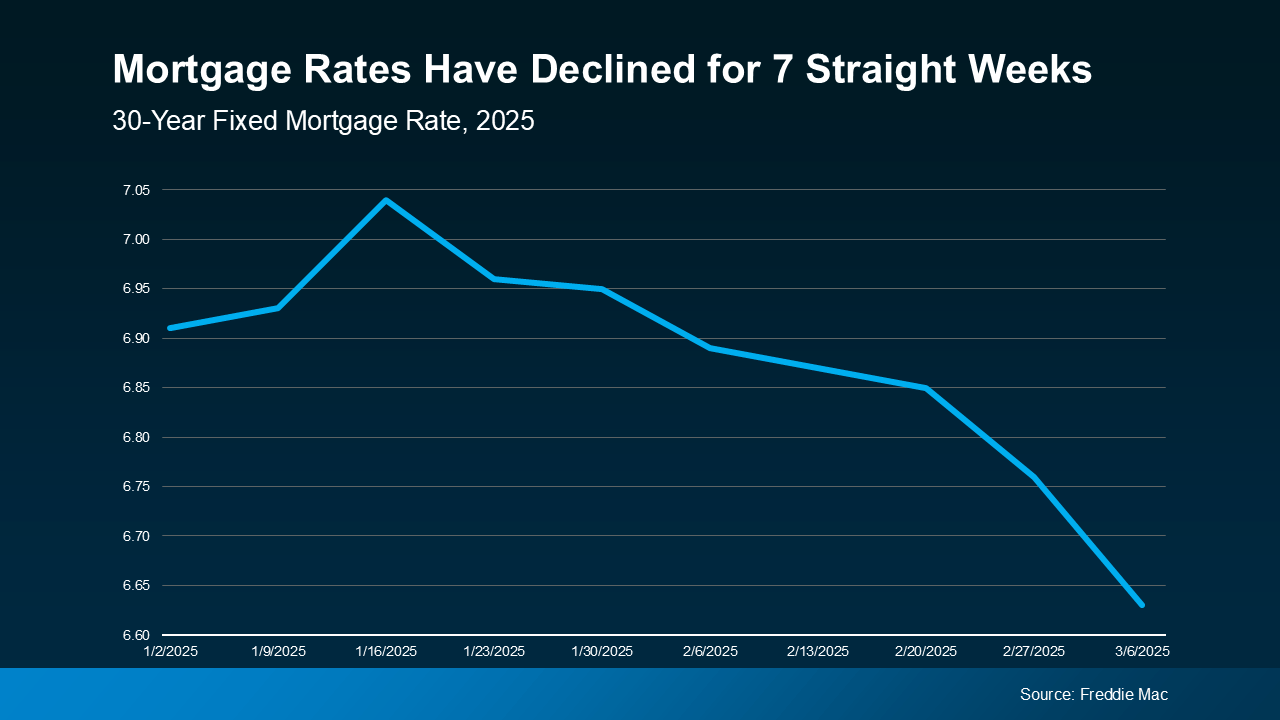
Mortgage rates have been declining for seven straight weeks now, according to data from Freddie Mac. And the average weekly rate is now at the lowest level so far this year (see graph below):

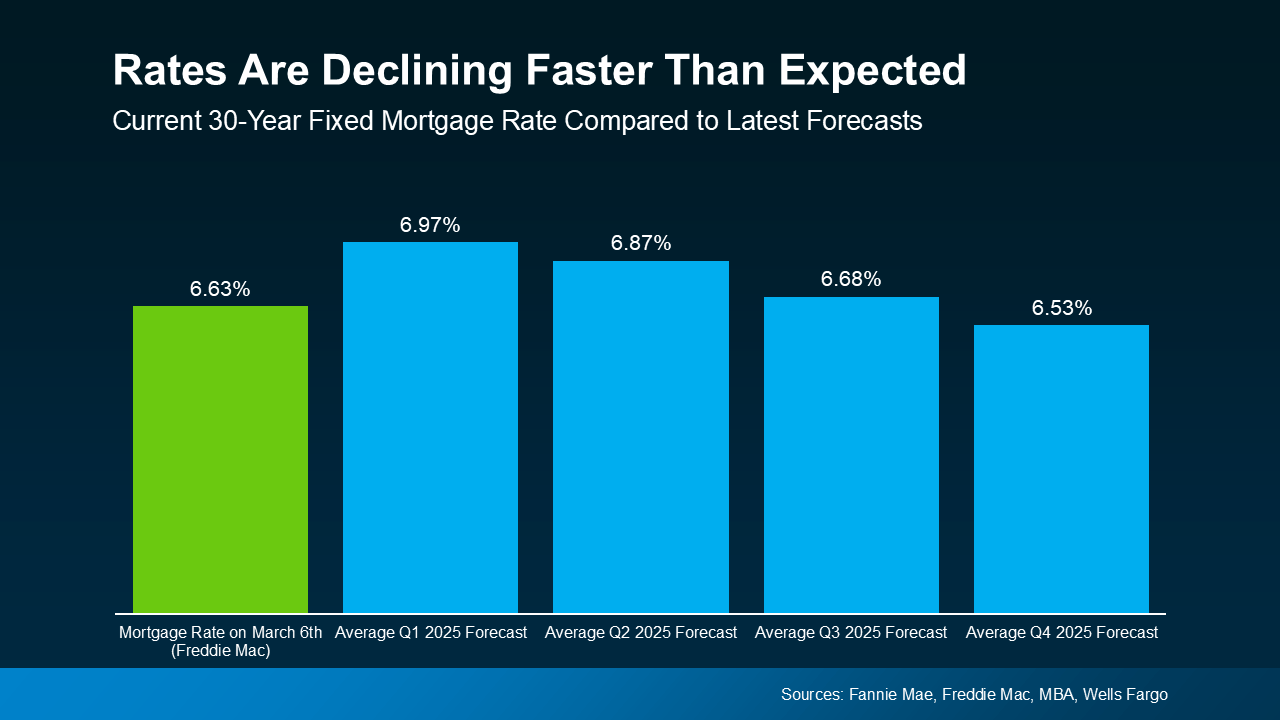
a graph with a line going upWhile that may not sound like a significant shift, it is noteworthy. Because the meaningful drop from over 7% to the mid-6’s can change your mindset when it comes to buying a home. Especially when the forecasts said we wouldn’t hit this number until roughly Q3 of this year (see graph below):

Why Are Rates Coming Down?

According to Joel Kan, VP and Deputy Chief Economist at the Mortgage Bankers Association (MBA), recent economic uncertainty is playing a role in pushing rates lower:

"Mortgage rates declined last week on souring consumer sentiment regarding the economy and increasing uncertainty over the impact of new tariffs levied on imported goods into the U.S. Those factors resulted in the largest weekly decline in the 30-year fixed rate since November 2024."

And the timing of this recent decline is great because it gives you a little bit of relief going into the spring market. Just remember, mortgage rates can be a quickly moving target, so you should expect some volatility going forward. But the window you have as they’re coming down right now might be the sweet spot for your purchasing power now.

What Lower Rates Mean for Your Buying Power

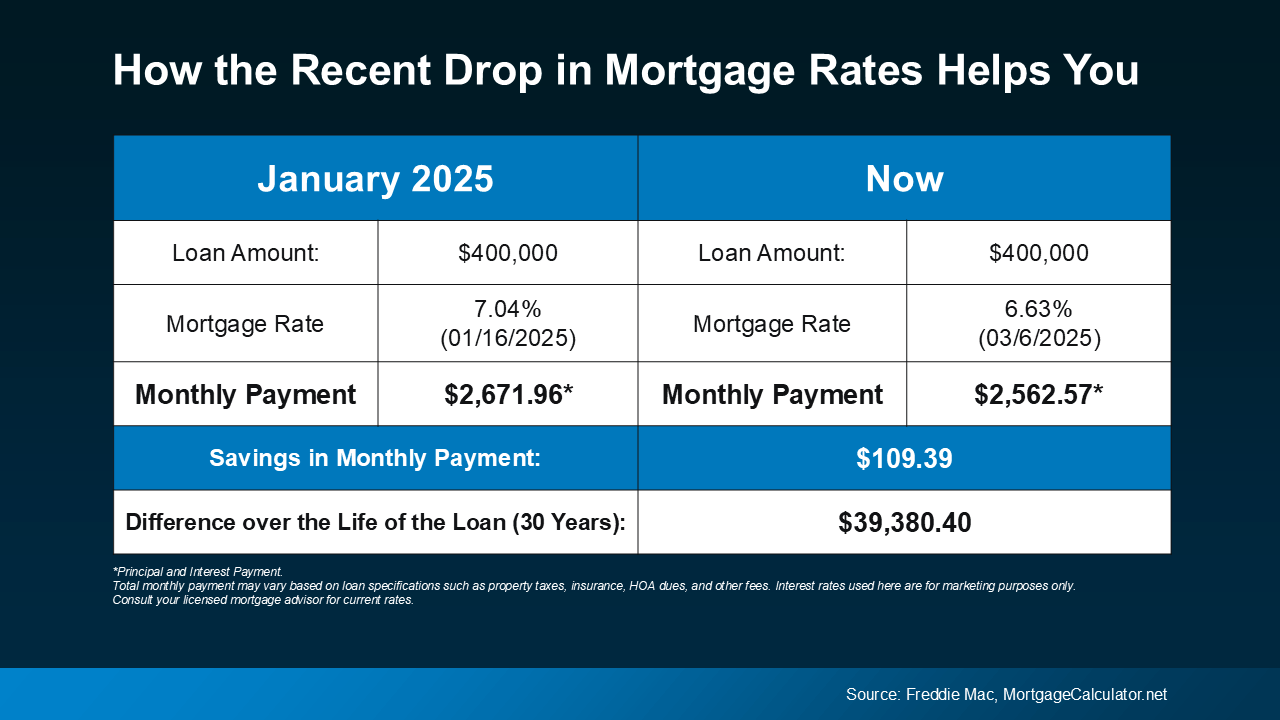
Even small changes in rates can make a difference to your monthly payment. Here’s how the math shakes out. The chart below shows what a monthly payment (principal and interest) would look like on a $400K home loan if you purchased a house when rates were 7.04% back in mid-January (this year’s mortgage rate high), versus what it could look like if you buy a home now (see below):

a blue and white table with white textIn just a matter of weeks, the anticipated payment on a $400K loan has come down by over $100 per month. That’s a significant savings. When you’re making a decision as big as buying a home, every bit counts.

Just remember, shifts in the economy drove rates down faster than expected. But that can change, making rates volatile in the days and months ahead. So, if you’re waiting for rates to fall further before you buy, think hard about the current window of opportunity if you’re ready to act.

Bottom Line

Mortgage rates have dipped, giving buyers a bit more immediate breathing room. If you’ve been waiting for rates to ease before jumping in, this could be your window.

Would a lower monthly payment make buying a home feel more doable for you? Let’s break down the numbers and find out.

Feb. 13, 2025

Prioritize repairs

The Secret To Selling This Spring: Start the Prep Work Now


Spring is the busiest season in the housing market. It’s the time of year when buyers are most active – that means it’s when homes sell faster and for top dollar. If you’ve already got a move on your mind, why not list this spring and take advantage of the added buyer demand?

Since spring is just around the corner, now’s the time to start getting your house market-ready. You’ve got just over a month to do the prep work. And while that may sound like a decent amount of time, it’s going to go by quickly. And you won’t want to rush through this important task – especially this year.

The Right Repairs Will Matter More This Spring

Right now, two things are true. There are more homes on the market than there have been in years. And buyers are being extra selective. That combination means you need to invest some time and effort in making strategic repairs. And many homeowners already have a jump on this work.

In the 2025 Outlook for Home Remodeling, Carlos Martin, Director of the Remodeling Futures Program at the Joint Center for Housing Studies of Harvard Universityexplains:

“. . . homeowners are slowly but surely expanding the pace and scope of projects compared to the last couple years.”

And the most common projects they’re tackling are replacing water heaters, HVAC units, and flooring. Energy efficiency is a key consideration too, based on home improvement data from the Census.

What To Prioritize as You Plan Ahead

But just because that’s what other homeowners are doing, it doesn’t mean that’s what you have to tackle. Think about what you’d want to see if you were a buyer. Focus on quick wins that are easy to knock out with the time you have – but, don’t ignore key repairs, especially ones you think could turn off buyers.

While big-ticket items like replacing an old roof or outdated flooring may seem daunting, they can pay off – especially if you focus on projects with the best return on investment (ROI).

An agent’s expertise is key in narrowing down your list to what’s actually worth it. They know what buyers in your area want and they also have data like this report from Zonda to guide you on which updates have the best ROI (see green in the graph below):

a graph of blue and green barsThat’s why it’s so important to talk to a local real estate agent before you dive into any repairs. Bankrate puts it best:

“As a seller, it’s smart to be prepared and control whatever factors you’re able to. Things like hiring a great real estate agent and maximizing your home’s online appeal can translate into a smoother sale — and more money in the bank.”

It’s not too early to partner with an agent. By starting now, you’ve still got time to space out the work and find any contractors you need to get the job done. If you wait until spring to roll up your sleeves, you risk running out of time – and that means your house may be overshadowed by others who are more buyer-ready.

Bottom Line

If you’re planning to sell this spring, it’s time to start tackling your to-do list. But, before you get started, let’s connect. That way you can make sure you’re spending your time and budget on projects that’ll pay off in the long run.

Send me a list of what’s on your to-do list, and we can prioritize them together.

Posted in Selling Your Home