


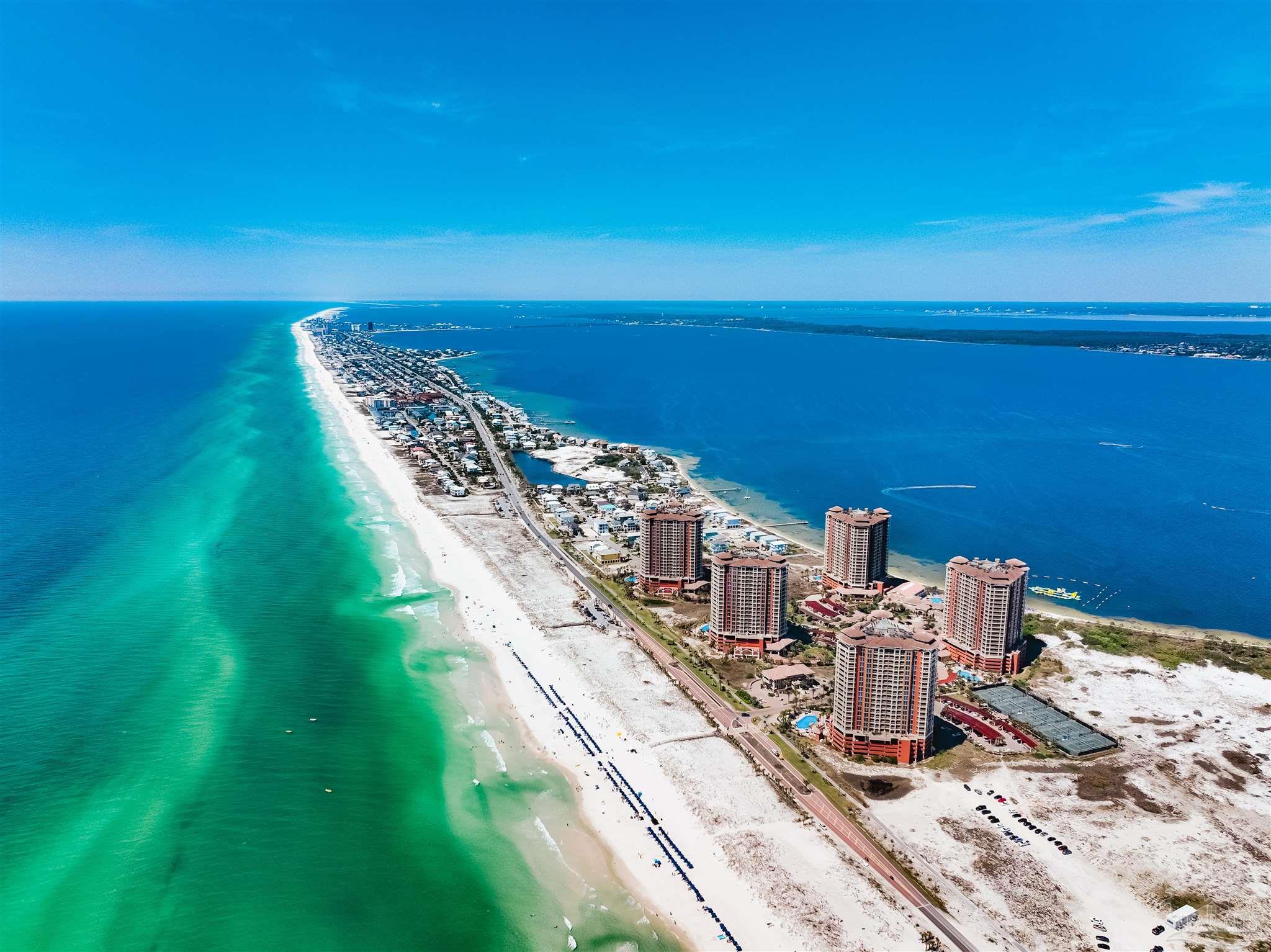
You found the perfect condo on Perdido Key. The list price fits your budget. The view is everything you imagined. And you're ready to make an offer.
Not so fast.
The purchase price is just the starting line. Gulf Coast condo ownership comes with a set of ongoing costs that catch a lot of first-time buyers off guard — especially buyers coming from out-of-state inland markets where condo ownership works a little differently than it does on the water.
I've been helping buyers navigate this market for years. Here's what I tell every client before they fall in love with a listing: know your full monthly number, not just your mortgage payment.
Let's break it down.
HOA Dues — Often the Biggest Line Item
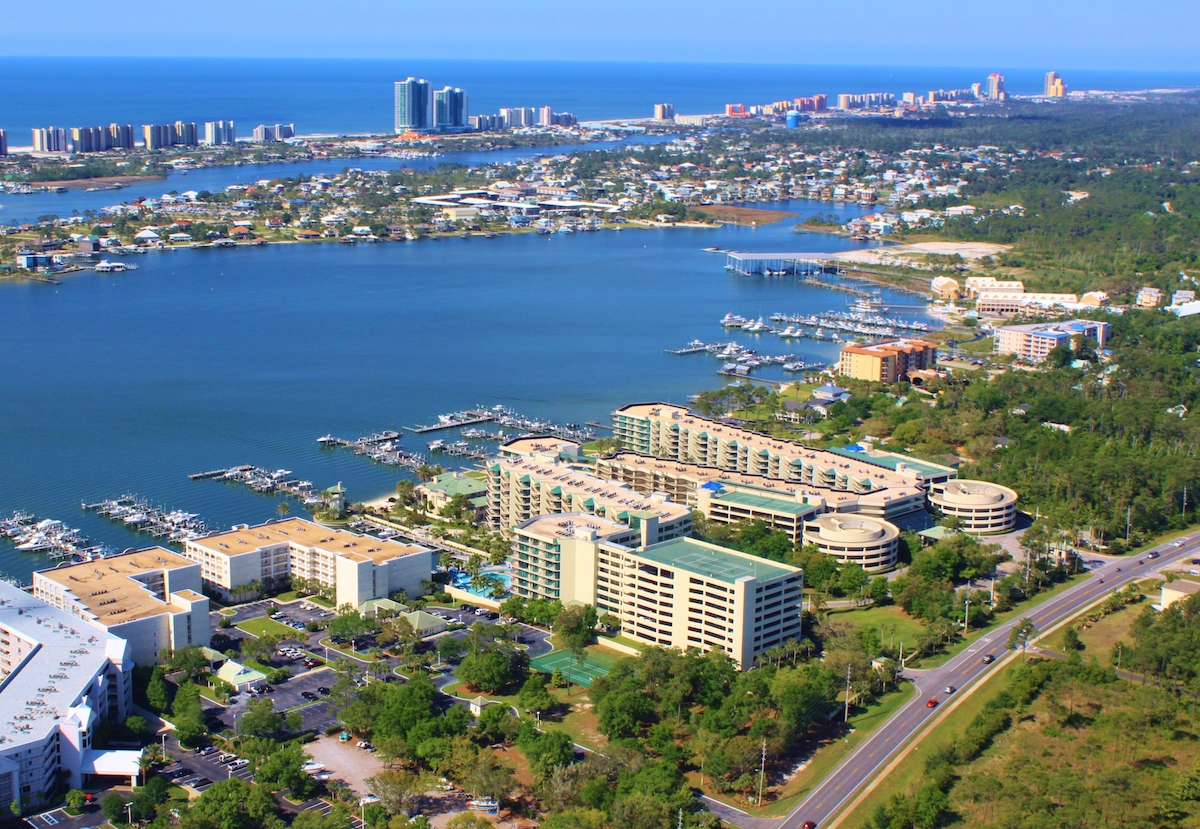
In most Gulf Coast condo buildings, the Homeowners Association (HOA) handles exterior maintenance, building insurance on the structure, amenities (pools, fitness centers, covered parking), and shared utilities (usually except electrical, cable and internet). That's a real value — but it comes at a real cost.
HOA dues in this market typically run:
- $500 – $1,500 per month for mid-range buildings
- $1,200 – $2,000+ per month for luxury high-rises like Turquoise Place, La Riva, or Vista Del Mar
Before you make an offer, always request the HOA financials — specifically the reserve fund balance. A building with low reserves is a building where a special assessment is likely coming. More on that in a minute.
HOA dues are not optional and are not negotiable. They are a fixed cost of ownership. Always calculate your true monthly payment as: mortgage + HOA + taxes + insurance.
Property Taxes — Florida vs. Alabama
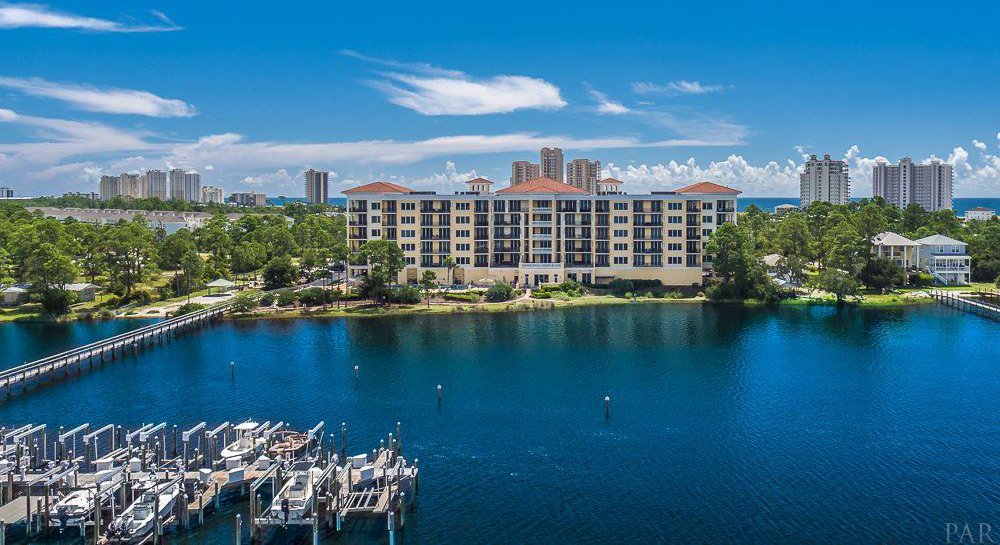
Your property tax bill depends on which side of the state line your condo sits on — and the difference is significant.
In Florida (Perdido Key, Pensacola Beach, Navarre):
- Escambia and Santa Rosa County property taxes run roughly 1.0–1.3% of assessed value annually
- Florida's Homestead Exemption saves primary residents up to $50,000 off assessed value — but vacation and investment properties don't qualify
- Florida does not have a state income tax, which partially offsets the tax picture
In Alabama (Orange Beach, Gulf Shores):
- Baldwin County property taxes are notably lower — often 0.4–0.6% of assessed value
- This is one reason Alabama properties look more attractive to investors on a cash-flow basis
- Alabama does have a state income tax, so consult your accountant on the full picture
Always verify current tax rates with the county property appraiser before closing. Assessed values are reassessed periodically and can shift after a sale.
Insurance — Wind, Flood, and Everything In Between
This is the one that surprises buyers the most.
Gulf Coast insurance is not cheap. And since 2020, it has gotten significantly more expensive. Here's what you're typically dealing with:
- Building/structure insurance: Usually covered by the HOA master policy — confirm what's included and what your responsibility is
- Contents and interior (HO-6 policy): Your responsibility as the unit owner
- Wind insurance: Mandatory for most lenders and not always included in a standard HO-6 policy
- Flood insurance: Required if you're in a flood zone (many Gulf-front buildings are). FEMA's National Flood Insurance Program (NFIP) is the most common source, but private flood insurance options exist and are worth comparing
Budget $1,500 – $3,000 per year depending on the building, floor, and coverage levels. High-floor units in newer construction typically fare better on wind premiums. Ground-floor units in older buildings can push toward the top of that range or beyond.
Ask your agent for the HOA's master insurance policy summary before closing. Know exactly what the building covers and what falls to you. Special assessments after a storm can depend heavily on the building's deductible.
Furnishings and Setup — The One-Time Cost Nobody Budgets For
Most Gulf Coast condos are sold furnished or semi-furnished. But "furnished" covers a wide range — from a fully turn-key rental unit ready to book to a property where the furniture is 15 years old and has seen better days.
If you're buying unfurnished (or planning to refresh), budget realistically:
- Basic, functional furnishings for a 1BR/1BA: $10,000 – $15,000
- Quality setup for a 2BR rental-ready unit: $20,000 – $35,000
- High-end refresh or luxury unit: $40,000+
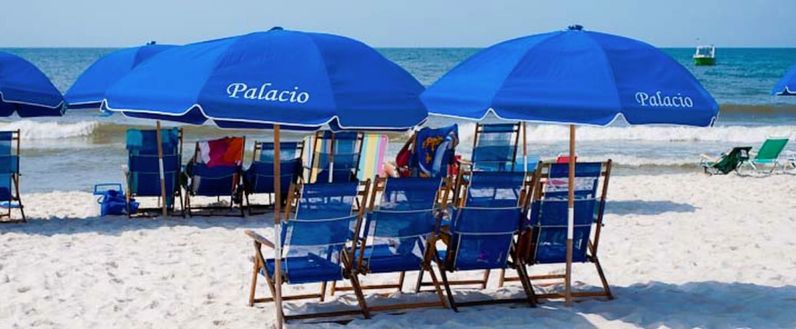
Don't forget the small stuff that adds up: kitchenware, linens, beach gear, smart locks, and a good Wi-Fi setup if you're renting. Those items alone can run $3,000 – $5,000.
Property Management — If You're Renting It Out
If you plan to generate rental income, you'll likely need a property manager — especially if you don't live nearby. Here's how the economics work:
- Full-service management: 20–30% of gross rental revenue
- VRBO/Airbnb platform fees: 3–5% of bookings on top of management fees
- Cleaning fees (usually passed to renters, but not always): $100–$250+ per turnover
A well-run rental property on Perdido Key can generate $30,000 – $80,000+ in gross revenue annually depending on the unit, building, and location. But after management fees, platform fees, HOA dues, taxes, and insurance, net returns are typically 4–8% — not the 15% some first-time investors picture.
That's still a meaningful return, especially with appreciation layered on top. But go in with eyes open.
If a listing brochure or MLS page quotes gross rental projections without subtracting management and expenses, do your own math. Projections vary agency to agency — get several quotes and average 3–4 for a more reliable gauge.
Special Assessments — The Wildcard
This is the cost most buyers don't think about — and the one that can sting the hardest.
A special assessment is a one-time charge levied against all unit owners when the HOA needs to fund a major repair or capital improvement that the reserve fund can't cover. Think: roof replacement, elevator overhaul, seawall repair, balcony resurfacing, or parking structure work.
Special assessments in Gulf Coast buildings can range from a few thousand dollars to $20,000, $40,000, or more per unit. They can be due in a lump sum or spread over 12–24 months.
How to protect yourself:
- Request the HOA reserve study before closing — it tells you how funded (or underfunded) the reserves are
- Ensure a SIRS (Structural Integrity Reserve Study) has been completed following a Milestone Inspection. Most HOAs have complied but some received waivers on timing
- Review meeting minutes from the past two years for any mentions of deferred maintenance or upcoming projects
- Ask your real estate agent about the building's assessment history
A well-managed building with a healthy reserve fund is genuinely worth paying a premium for. It's not just a nice-to-have.
Utilities and Ongoing Maintenance
Even if you're not in the condo year-round, you'll have monthly utility costs:
- Electric (even when vacant, you'll run A/C at minimum temperature to prevent mold): $100–$200/month off-season
- Water, trash, sometimes cable/internet: Often bundled into HOA, but confirm
- Annual HVAC inspection service: $150–$300
- Pest control: $200–$400/year (usually paid by the HOA)
- Touch-up painting, appliance repairs, air filters, fire detection batteries, and general upkeep: Budget $1,500 – $3,000/year
Small stuff adds up. Build a maintenance budget into your annual cost picture from day one.
The Full Cost Picture
Use this as a starting framework — actual costs vary by building, unit, and market conditions.
| Cost Category | Typical Annual Range |
|---|---|
| HOA Dues | $6,000 – $18,000+ |
| Property Taxes (FL) | $2,500 – $8,000 |
| Property Taxes (AL) | $1,200 – $4,500 |
| Insurance (Wind + Flood + HO-6) | $1,500 – $3,000 |
| Furnishings & Setup (one-time) | $10,000 – $40,000 |
| Annual Maintenance & Repairs | $1,500 – $5,000 |
| Property Management (if renting) | 20–30% of gross rental revenue |
| Utilities (if not renting full-time) | $1,800 – $4,200 |
| Platform Fees (VRBO / Airbnb) | 3–5% of bookings |
| Special Assessments | Varies — can be $5,000 – $50,000+ |
So — Is It Worth It?
For the right buyer? Absolutely yes.
Gulf Coast condo ownership offers something you genuinely can't replicate elsewhere: a piece of one of the most beautiful stretches of coastline in the country, with real estate that has appreciated steadily over the long term, a vacation destination you can use yourself, and — if you choose — a rental income stream that helps offset the costs.
But the buyers who are happiest with their purchase are the ones who went in fully informed. They knew their true monthly number. They asked the right questions about the HOA. They budgeted for furnishings and didn't get blindsided by a special assessment six months after closing.
That's what I'm here to help you do.
Ready to run the real numbers
on a property you're considering?
I'll walk you through the full cost picture — HOA financials, insurance quotes, rental projections, and everything in between. No surprises, no guesswork.
Pete King · Team Perdido
Pointe South · 13578 Perdido Key Drive · Pensacola, FL
Licensed in Florida & Alabama
Disclaimer: Cost ranges provided are estimates based on general market conditions and are not a guarantee of actual costs. Property taxes, insurance rates, HOA dues, and special assessments vary by property, building, and applicable law. Consult qualified professionals for tax, insurance, and financial advice specific to your situation.
:format(webp):quality(80)/u.realgeeks.media/teamperdido/header6.png "Brokerage Company Logo")