|
Team Perdido • Pointe South • Perdido Key & Gulf Coast
|
A Comparative Market Analysis
A Realty Check
By Pete King | Team Perdido | Pointe South
|
|
Whether you’re buying your dream beach condo, selling the family home, or sizing up an investment on the Gulf Coast, there’s one document that quietly drives nearly every real estate transaction—the Comparative Market Analysis, or CMA. Think of it as a reality check—a professionally assembled snapshot of what properties like yours are actually selling for, right now, in your specific market. Not what someone wishes they’d gotten last year. Not what Zillow’s algorithm spits out at 2 a.m. What the market is actually saying today.
Understanding what a CMA is—and what goes into building a credible one—can save buyers from overpaying, help sellers price with confidence, and give investors the data they need to make sound decisions. Let’s unpack it.
|
What Exactly Is a CMA?
A Comparative Market Analysis is a structured evaluation prepared by a licensed real estate professional that estimates a property’s current market value. It is not a formal appraisal (that’s done by a licensed appraiser for lenders), but in practice, a well-constructed CMA from an experienced, market-savvy agent often arrives at a very similar number—and it’s available immediately, at no charge to the client.
The CMA’s foundation is comparison. The analyst identifies a set of “comps”—comparable properties—that have recently sold, are currently active, or went under contract without closing. By examining how those properties were priced and what buyers were willing to pay, a skilled agent can derive a defensible estimate of value for the subject property.
The end product is typically a price range—sometimes with a recommended list price—supported by data, local knowledge, and professional judgment.
|
 |
How Is a CMA Built? The Core Methodology
Building a reliable CMA is part science, part art. Here’s how agents typically approach it:
|
Step 1: Define the Subject Property
Square footage, floor/location, beds/baths, year built, construction quality, renovations, views, parking, and amenities access.
|
|
Step 2: Select Comparable Properties
Comps should match on property type, location, size (±15–20%), age/condition, and sale date (ideally 3–6 months; up to 12 in thin markets). A good CMA uses 3–6 sold comps plus active and expired listings.
|
|
Step 3: Make Adjustments
No two properties are identical. Adjustments based on market data—not gut feel—separate a professional CMA from a ballpark guess.
|
|
Step 4: Reconcile and Form a Value Opinion
Reconcile adjusted prices to arrive at a defensible value range. This step requires judgment—weighing which comps are most similar and how actively the market is moving.
|
|
 |
The Nuances That Shape the Numbers
A CMA is only as good as the judgment behind it. Here are the forces that can dramatically affect the outcome:
🌍 Macro Influences: The Big Picture
| Interest Rates: When mortgage rates climb, purchasing power contracts. A CMA in a 7% rate environment reflects very different buyer behavior than one in a 4% environment. |
| National & Regional Economic Trends: Job growth, income levels, consumer confidence, and stock market performance all influence whether buyers are emotionally and financially “in the market.” |
| Inflation & Construction Costs: When building materials and labor are expensive, replacement cost rises—providing a floor under resale values. |
| Tax Policy: Florida’s proposed amendment to eliminate non-school homestead property taxes could dramatically improve the carrying cost equation for primary residents—a powerful talking point for buyer urgency. |
| Seasonal Demand: Gulf Coast buyer activity peaks January through May as buyers look to harvest summer rental revenue, then picks up again in early Fall when buyers expect better prices after peak season winds down. |
📍 Micro Influences: The Local Reality
| Floor, View & Orientation: An eighth-floor gulf-front unit can be worth thousands more than the identical unit on the second floor facing the parking lot. |
| HOA Financial Health: Healthy reserves, low delinquencies, and no looming special assessments command premium values. Deferred maintenance and troubled financials do the opposite. |
| Rental Restriction Trends: On Perdido Key, the no-STR movement is directly affecting value for certain buyer segments. A no-STR building may be worth more to a primary resident and less to a pure investor. |
| Insurance Environment: Florida’s property insurance crisis is a real factor. Surging windstorm and flood costs create measurable market headwinds. |
| Condition & Updates: A renovated unit with quartz counters, stainless appliances, and updated baths consistently outperforms a dated unit in the same building—sometimes by 10–15%. |
| Environmental Overlays: Sea turtle nesting zones, coastal setbacks, beach mouse habitat, and dune regulations all affect what can be built or modified on a given parcel. |
| Comparable Sales Density: In thin markets with few comps, the margin of error widens. An agent with deep local knowledge can bridge data gaps; one relying solely on MLS pulls cannot. |
|
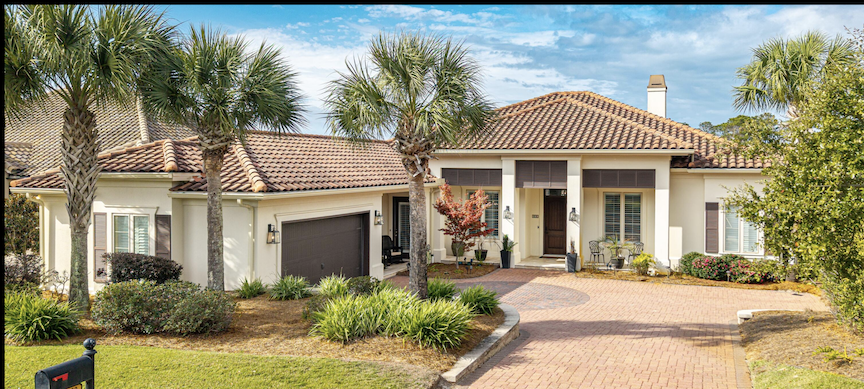 |
Single Family Home vs. Resort Condo: A Different Animal
This is where many general-purpose CMAs go wrong. A resort condo or vacation rental property operates on a different set of valuation drivers than a traditional single family home. A CMA that doesn’t account for those differences is incomplete at best, misleading at worst.
|
🏠 Single Family Home
✓ School district quality
✓ Neighborhood safety & walkability
✓ Lot size, privacy, yard
✓ Proximity to employment & retail
✓ HOA fees & restrictions
✓ Structural soundness
|
|
🏖 Resort / Vacation Rental
✓ All SFH factors, PLUS…
✓ STR permissions & restrictions
✓ Gross rental revenue history
✓ Net Operating Income (NOI)
✓ Cap rate & Gross Rent Multiplier
✓ Amenity package & beach access
✓ Management agreements & rental history transfer
|
A CMA for a resort condo on Perdido Key or Orange Beach is more complex than one for a three-bedroom ranch in Pensacola. It requires an agent who understands both the real estate market and the hospitality economics that drive buyer decisions in beach markets.
|
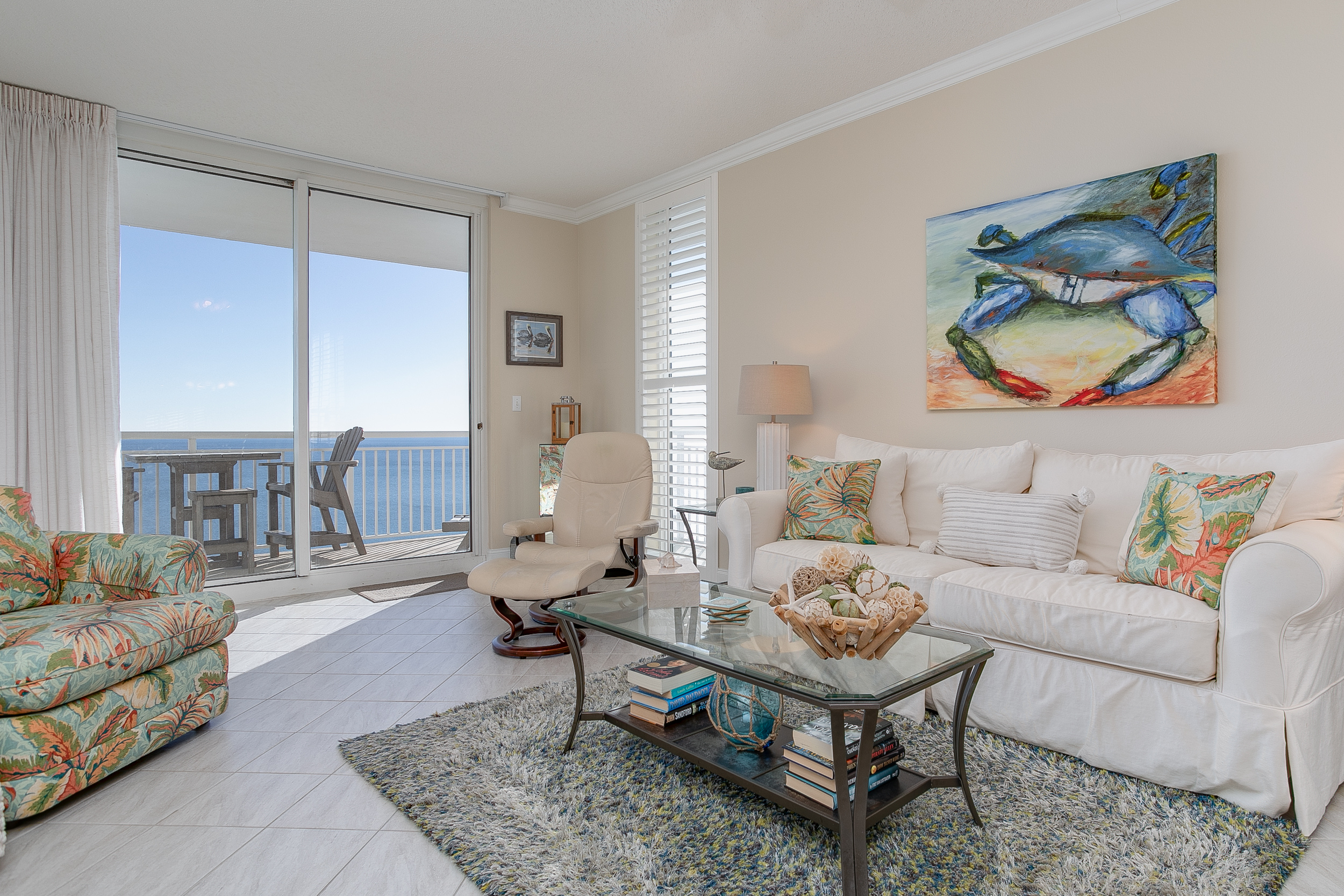
Gulf Coast resort condo — where CMA complexity meets opportunity
|
Why the CMA Matters: Buyers and Sellers
For Sellers: Pricing Is Everything
The single most consequential decision a seller makes is the list price. Price too high and the listing stigmatizes. Price too low and you leave real money on the table. A well-executed CMA threads that needle.
| ✔ Sets realistic expectations — grounds the conversation in data, not emotion |
| ✔ Identifies the competitive set — who are buyers choosing instead of you? |
| ✔ Informs negotiation strategy — know where to flex and where to hold firm |
| ✔ Supports appraisal — reduces risk of a deal collapsing over a low appraisal |
| ✔ Guides timing — signals whether now is the right moment to list |
For Buyers: Don’t Walk In Blind
A list price is a seller’s asking price—informed by their agent’s CMA, or sometimes by wishful thinking. Your buyer’s agent with a solid CMA can tell you whether that price is aligned with the market, aggressive, or actually a bargain.
| ✔ Anchors offer strategy — how competitive do you need to be? |
| ✔ Protects against overpaying — the guardrail in emotional bidding wars |
| ✔ Supports financing — confidence going into the appraisal process |
| ✔ Identifies value-add opportunities — quantify the upside of a fixer-upper |
| ✔ Builds long-term equity confidence — enter at or below market value |
|
A Note on Automated Valuations (AVMs)
Tools like Zillow’s Zestimate and Realtor․com’s estimates can be a useful starting point, but they come with real limitations—especially in niche markets like Gulf Coast resort condos. AVMs can’t see inside a property. They don’t know your unit has a direct gulf view while the comp below faces the parking lot. They can’t account for your building passing a Milestone Inspection clean while the one next door faces a special assessment for balcony repairs.
Zillow acknowledges a median error rate of 2–4% nationally—but in thin, specialized markets like resort condos, that error rate can be dramatically higher.
|
|
📊 Want to Try My AVM?
Give it a try—it can even connect you with institutional buyers if you’re looking to sell!
→ Home Value Calculator |
|
 |
The Bottom Line: Ask for the Data
A Comparative Market Analysis isn’t just a report—it’s a conversation starter. It opens the door to an honest, data-driven discussion about what a property is worth today, what forces are pushing values up or down, and how to position yourself—whether you’re buying, selling, or holding.
On the Gulf Coast, where markets can differ dramatically from one building to the next—and where the income dynamics of a short-term rental add a whole layer of complexity—a CMA from a local expert isn’t optional. It’s essential.
|
Ready for Your Complimentary CMA?
Buying, selling, or just benchmarking—no pressure, no obligation.
Just the numbers, honestly delivered.
Request My Free CMA |
|
|
|
|
You are receiving this email because you are a valued contact of Team Perdido.
Unsubscribe | Manage Preferences
|
|


:format(webp):quality(80)/u.realgeeks.media/teamperdido/header6.png "Brokerage Company Logo")